More and more homeowners and businesses in Israel are looking at installing a solar system, and the question that comes up almost every time is a simple one:
how much does it actually save?
2026 arrives with higher electricity prices, growing demand for energy independence and a sharper eye on the numbers. So instead of slogans, let us talk figures:
Rising electricity prices change the picture
Electricity tariffs in Israel have been trending upwards for several years (you can see past tariffs here). The reasons vary: generation costs, regulation, infrastructure investment and the gradual shift to renewables.
The result is clear:
- Household electricity bills have risen significantly.
- Businesses carry a heavy and sometimes unpredictable operating cost.
- The uncertainty makes budgeting harder.
- A solar system is not only a green solution but a financial tool that creates stability.

The numbers vary with the size of the system, the position of the roof and consumption habits, but realistic ranges can be set out:
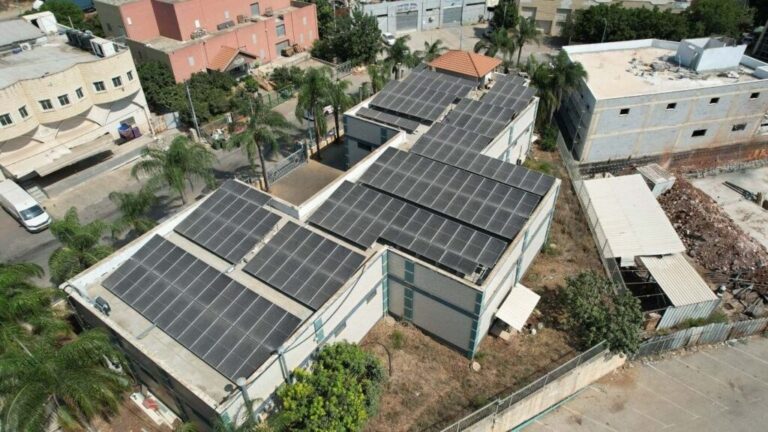
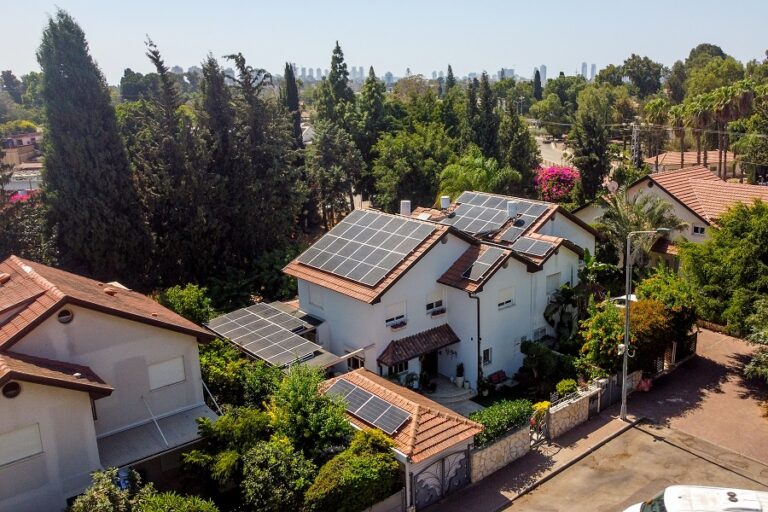
Take a private house with a system of around 15 kW (roughly 100 sqm of roof). A system like that produces around ILS 11,000 a year, with an estimated return of about 20% and payback in roughly five years.
Put simply:
In many cases the monthly saving matches or exceeds the monthly repayment, so the system “works” for the homeowner – through every daylight hour, without a break. A natural resource that is available, sustainable and free to everyone.

What about businesses?
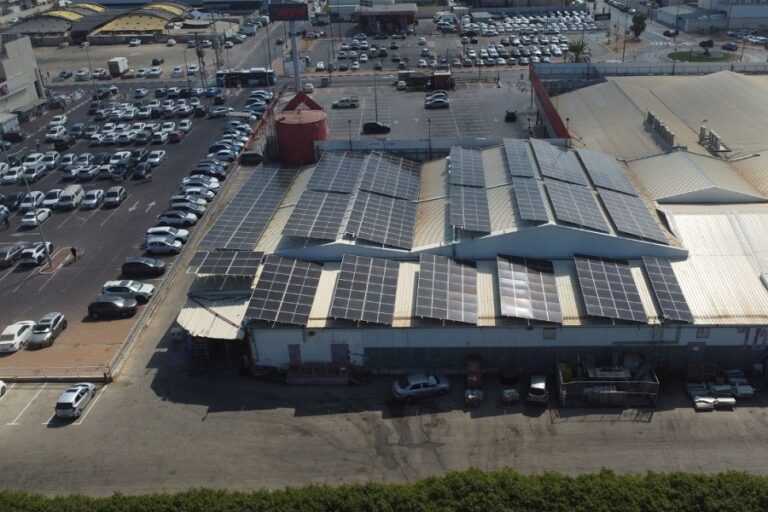
For commercial systems the picture is often clearer still:
- High electricity consumption during the day.
- Large roof areas.
- Monthly cash flow directly affected by energy costs.
- A business that installs a solar system can:
- cut fixed costs significantly;
- improve profitability;
- protect itself against future tariff rises.
In many cases the cumulative saving for a business over the years is far greater than the initial cost of the installation.
Here is a link to the most advanced solar calculator in Israel
Payback: not magic, arithmetic
A common mistake is to expect a “financial miracle”. In practice this is an investment with clear characteristics:
- Average payback: a few years, depending on the size of the system and the connection terms.
- The life of a solar system: decades.
- After payback: the electricity becomes net income or net saving.
- This is not a speculative investment but an asset that produces value over time.

Why is 2026 a critical year for the decision?
There are several reasons why more people are choosing to install now:
- Electricity prices are higher than they were.
- Regulation encourages green generation.
- The technology is more advanced and more reliable.
- Rising demand will stretch installation times in future.
Waiting does not necessarily cost you, but acting early means the savings start earlier.
In summary
A solar system in 2026 is not a trend but a financial decision.
The saving is not theoretical – it shows up on the actual electricity bill, month after month.
Designed and installed properly, a system turns the roof from a passive asset into a source of savings and financial stability for many years.

Do not wait – call us on *8426 or leave your details
We would be glad to help!
You may also be interested in: the green route | the urban premium | solar system installation in Netanya