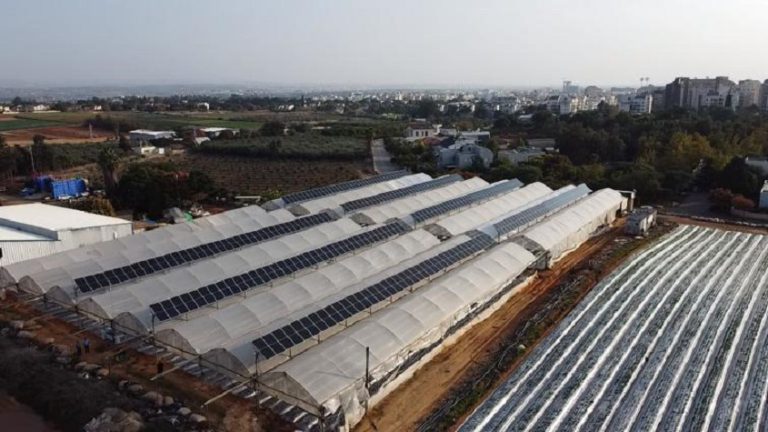
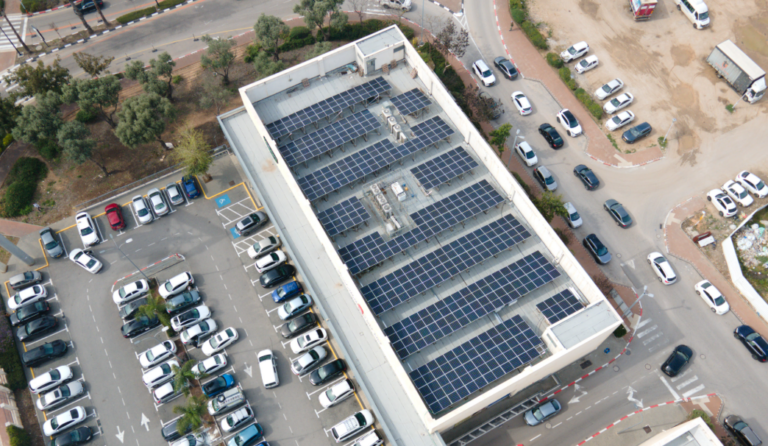
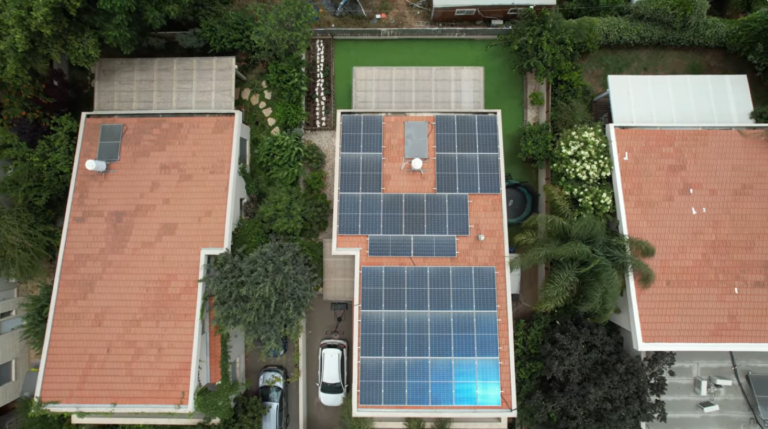
Schools, community centers, sports halls, municipal buildings, parking lots and other municipal areas take up significant space in almost every local authority. Alongside their public use, these roofs and areas can also be used to generate electricity with solar systems, turning existing space into an asset that creates value for years.
In recent years, more local authorities have been examining the solar potential of the properties they own and manage. This trend is part of a broader shift to renewable energy and the use of built-up areas for electricity generation, instead of relying only on installations in open land.
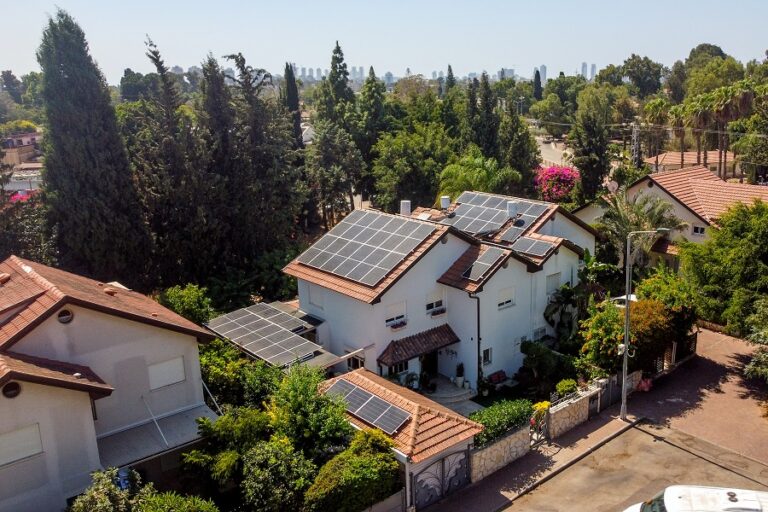
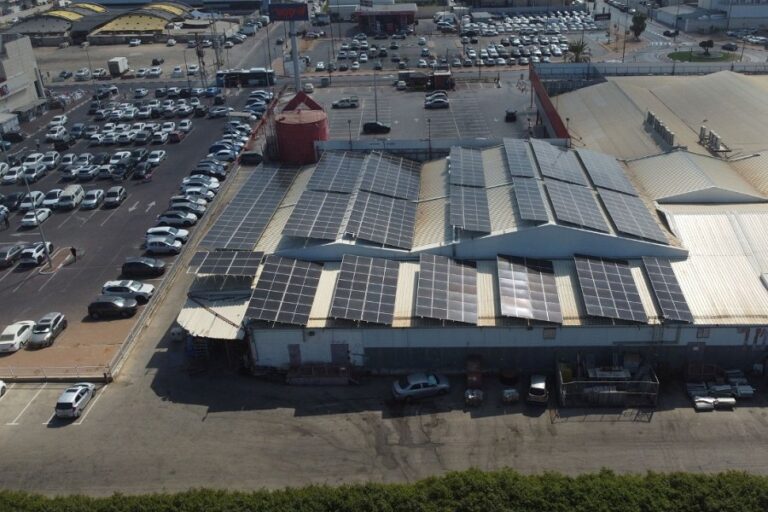
A municipal solar system allows a local authority to harness its existing properties for energy generation, from the roofs of schools and public buildings to parking lots, sports fields and other urban areas.
Why Do Local Authorities Have Significant Solar Potential?
Unlike a business that owns a single building, a local authority often manages a large number of properties spread across the city or regional council. Some of these properties have large roofs and open areas that may be suitable for solar installations.
The potential is not limited to roofs. Properties and areas worth examining include:
- Schools and educational institutions
- Community centers
- Sports halls and sports fields
- City hall and council buildings
- Public parking lots
- Warehouses and operational buildings
- Other public buildings
This means that instead of examining each building separately, the authority’s properties can be mapped to identify where conditions are best suited for solar energy generation.
From Schools to Sports Halls: Making Use of Existing Space
One of the advantages of installing a solar system on a public building is the ability to use existing built space, without allocating new land specifically for electricity generation.
A school roof, for example, serves mainly as the building’s envelope. When engineering and infrastructure conditions allow, it can also be used for a solar installation.
The same principle applies to sports halls, community centers and other municipal buildings. For the authority, this is an opportunity to gain additional value from a property it already owns or manages.
A municipal solar system is based on principles similar to a commercial solar system, but building one requires dedicated attention to the characteristics of public space, from the type of building and its use to existing infrastructure, the scope of the properties and the planning and permitting requirements relevant to the authority.
Learn more about commercial solar system installation
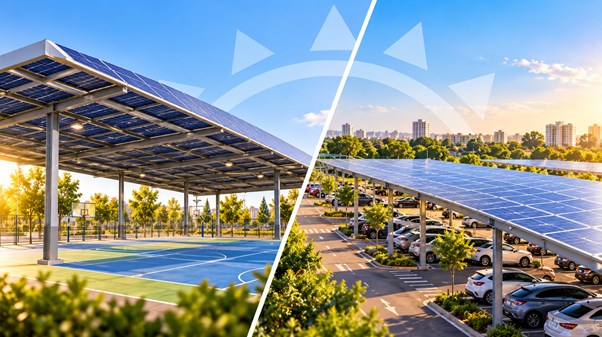
Not Just Roofs: Solar Canopies for Sports Fields and Parking Lots
One of the growing areas in local authorities is covering public spaces with solar canopies.
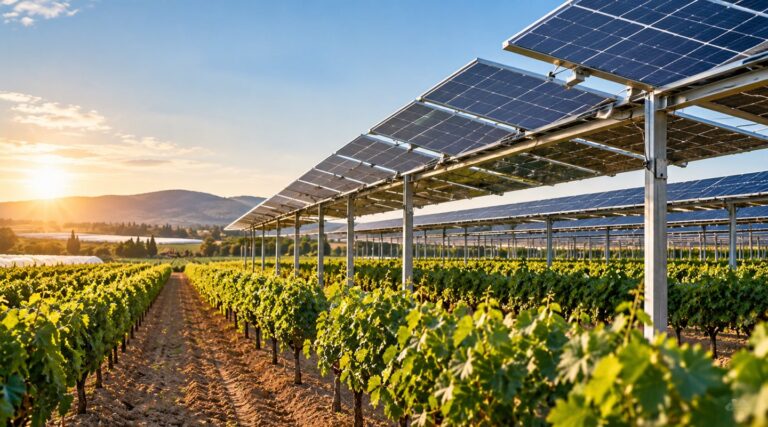
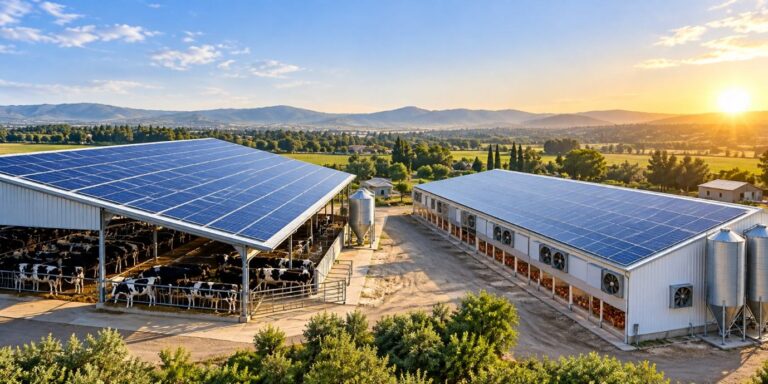
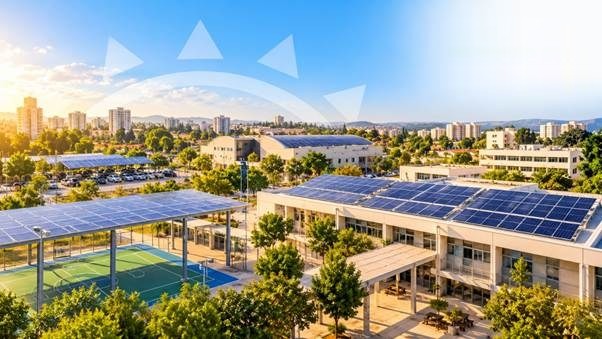
On a sports field, for example, a canopy can do two things at once: provide shade and weather protection for field users, while generating electricity at the same time.
Parking lots can offer a similar opportunity. Instead of an open area exposed to the sun, a canopy with solar panels can be considered, creating dual use of the same space.
This approach makes it possible to see a solar system not only as infrastructure for generating electricity, but as part of better planning of public space.
The Potential Exists but Is Not Yet Fully Realized
Local authorities have significant potential for solar energy generation. According to the State Comptroller’s report published in 2026, about 60% of local authorities’ solar generation potential is in the urban space, yet its utilization rate is still low.
At the same time, the state continues to encourage projects in this field. In 2026, for example, 42 local authorities won grants to build more than 25,000 square meters of solar canopies over public sports fields, with a planned combined capacity of more than 3 megawatts.
These figures show that solar systems in public spaces are gradually shifting from an environmental vision to a practical path that authorities can integrate into the management of their properties and infrastructure.
Read more on the Ministry of Energy and Infrastructure website (Hebrew)
A Municipal Solar System Starts with Proper Mapping
Not every roof or public area is automatically suitable for a solar system. Before moving forward with a project, it is important to check, among other things, the available roof area, the building’s structural condition, existing shading, electrical infrastructure, grid connection options and the relevant planning and permitting requirements.
When an authority has many properties, an initial assessment can also help with prioritization: which buildings offer higher potential, where a large-scale system can be built and which areas require further adjustments.
This makes it possible to move from thinking about a single system to broader planning for using municipal properties to generate energy.

Turning Public Properties into Energy Assets
The move to solar energy allows local authorities to look differently at the properties they already have. The roofs of schools, public buildings, sports fields and parking lots do not have to serve a single purpose, and in suitable cases they can also become infrastructure for generating electricity.
We at Rotem Energy support the design and installation of solar systems according to the characteristics of the building, the infrastructure and the existing site, from the assessment and design stage through installation, grid connection and ongoing monitoring of the system.
To view our commercial solar projects, click here