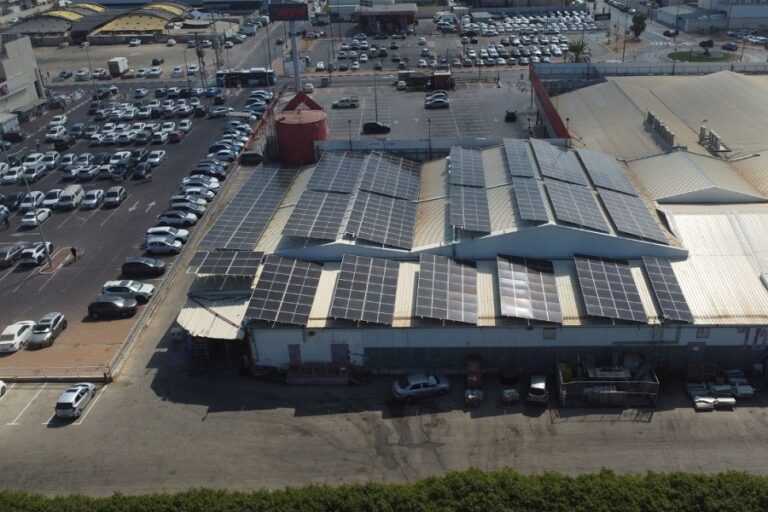
Interest in agrivoltaic systems, which combine generating electricity from the sun with continued farming on the same land, has grown steadily in recent years. For farmers, moshavim, kibbutzim and owners of agricultural land it is an interesting opportunity to create an additional income without giving up the agricultural use of the site.
That said, it is important to understand that not every plot is automatically suitable for an agrivoltaic system. Before a project begins it needs a professional assessment covering engineering, agricultural, financial and regulatory aspects.

What exactly is assessed before building an agrivoltaic system?
Every project starts by assessing whether the site is suitable.
At this stage a wide range of parameters is examined, including:
- the type of land and its existing agricultural use
- the type of crops
- the size of the area
- topography and gradients
- access for farm equipment
- options for connecting to the electricity grid
- planning and building constraints
- the requirements of the relevant authorities
Each of these can affect whether the project is worthwhile and how it should be designed.
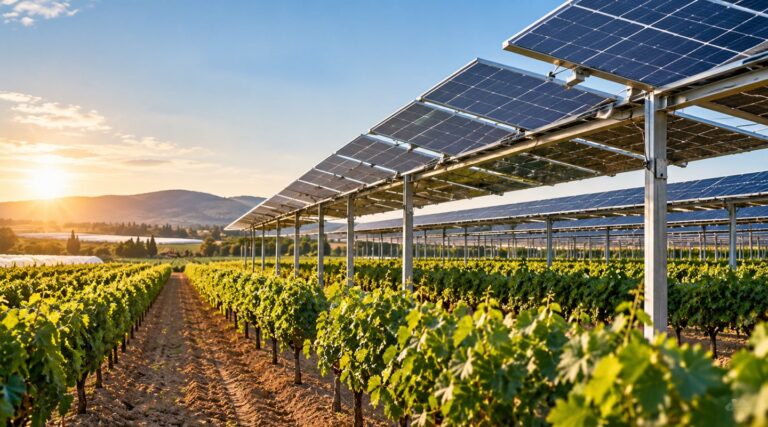
The type of crop shapes the design of the system
One of the most important considerations is the crops already growing on the site.
A system designed for an orchard is not necessarily right for a vineyard, and a system planned for grazing land will be entirely different from one built above field crops.
Good design therefore looks not only at generating electricity but at maintaining the conditions the farming needs to continue.
Keeping the farming going is a central condition
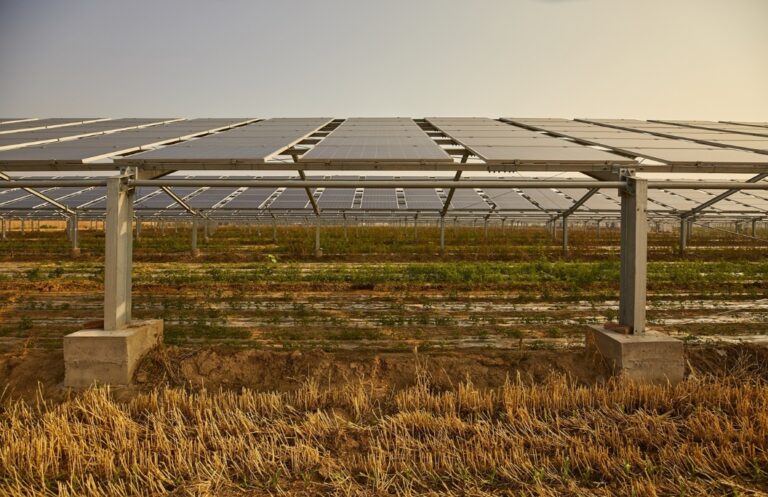
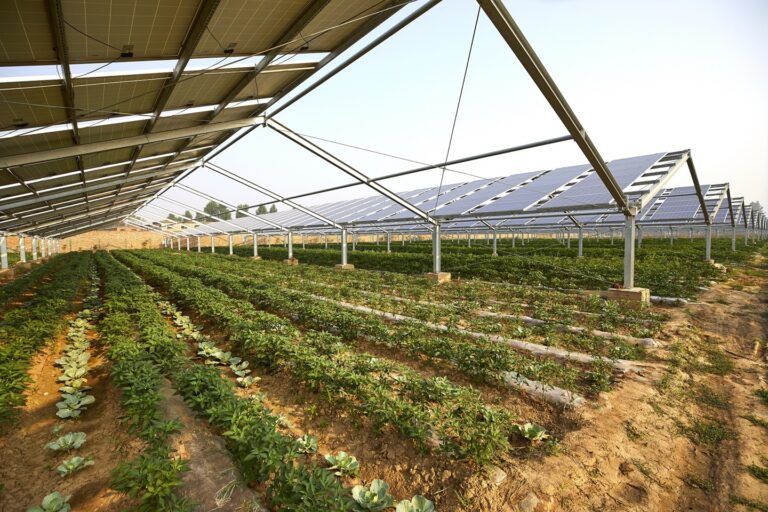
One of the core principles of agrivoltaics is that agricultural use of the land continues.
In many cases it has to be demonstrated that, once the system is built, the land can still be worked, agricultural operations carried out, machinery operated and day-to-day activity maintained.
Agrivoltaic systems are therefore designed to fit around the farming rather than replace it.

Location matters too
Alongside the suitability of the land itself, where the site sits matters.
Among the things assessed:
- the level of solar radiation in the area
- proximity to electricity infrastructure
- options for connecting to the grid
- environmental and planning constraints
- access routes for construction and maintenance
Sometimes a small, well-located site is more worthwhile than a large project in an area with many constraints.
Is every project financially worthwhile?
Even when the land is suitable in engineering and regulatory terms, a financial assessment is essential.
That assessment takes into account, among other things:
- construction costs
- the expected electricity output
- maintenance costs
- financing options
- expected income over the life of the system
The point is to understand whether the project is likely to be financially sound over the years, not only at the construction stage.

Why does a professional feasibility study matter?
Building an agrivoltaic system is a complex project that draws on several fields of knowledge.
Beyond the engineering design, it requires knowing the regulations, understanding the farmer’s needs, designing the system around the crops and assessing whether the project stacks up financially.
A professional feasibility study at the outset makes it possible to identify potential constraints, gauge the potential of the land and plan the project efficiently and correctly.

Professional support the whole way, with Rotem Energy
Agrivoltaic projects call for a combination of solar energy expertise, experience in designing systems and an understanding of the agricultural sector.
Professional support from the first assessment through to building the system helps in making the right decisions, meeting the regulatory requirements and getting the most out of the land.
At Rotem Energy we support landowners, farmers, moshavim and kibbutzim through every stage of the project, from the feasibility study, through design and licensing, to building the system and connecting it to the grid.
An agrivoltaic system can turn agricultural land into an asset that produces double value: farming continues alongside electricity generated from the sun. But a successful project starts with assessing the suitability of the land and with professional design that takes account of the characteristics of the site, the type of crops, the regulatory requirements and the financial case.
A professional review at the outset gives a full picture of the potential in the site and allows a system to be designed that serves both the agricultural needs and the aims of the project for many years to come.
Click here for more about agrivoltaic systems
To get in touch, leave your details, call us on *8426 or talk to us on WhatsApp
We would be glad to help!