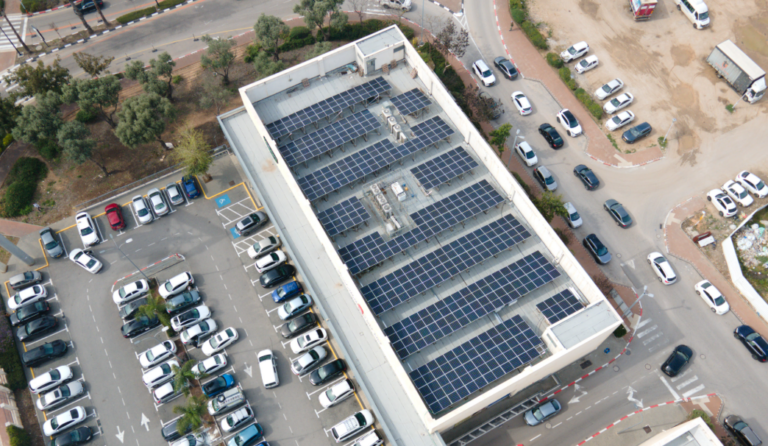
Over the past decade solar energy has gone from a technological novelty to a common solution, and by 2026 it is no longer seen as a “side investment” but as part of a home’s infrastructure. Many homeowners now understand that a rooftop solar system affects not only the size of the electricity bill but the way the household is run financially for years.
The shift to solar power comes from a combination of rising energy prices, growing strain on the grid and a change in how consumers think.
Beyond the saving: how a solar system changes household life in 2026
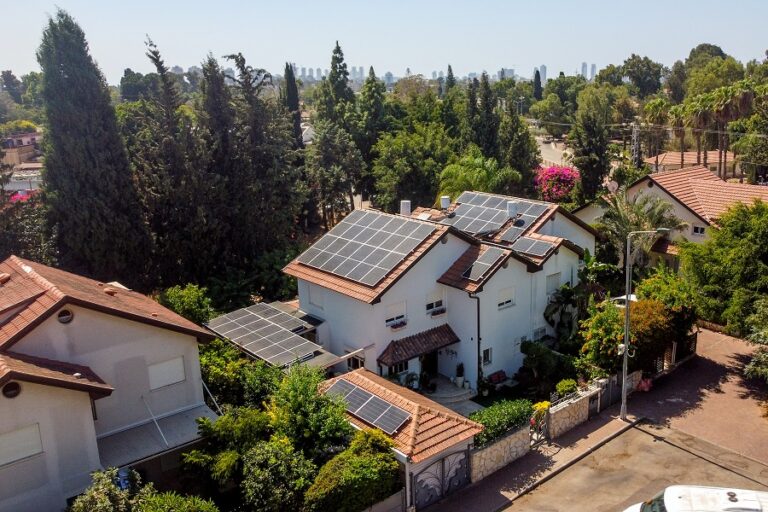
A solar system lets a home or a business generate a significant share of the electricity it uses during daylight hours, and so reduces dependence on outside supply. The result is greater stability in running costs and better financial planning for the years ahead. Unlike other solutions, this is a system that works in the background, needs no complicated maintenance and produces steady value over time.
In 2026, with more households working from home and using advanced electrical equipment, being able to generate your own electricity becomes a real operational advantage – not just convenience, but better control over costs.
The angle that gets less attention: property value and financial security
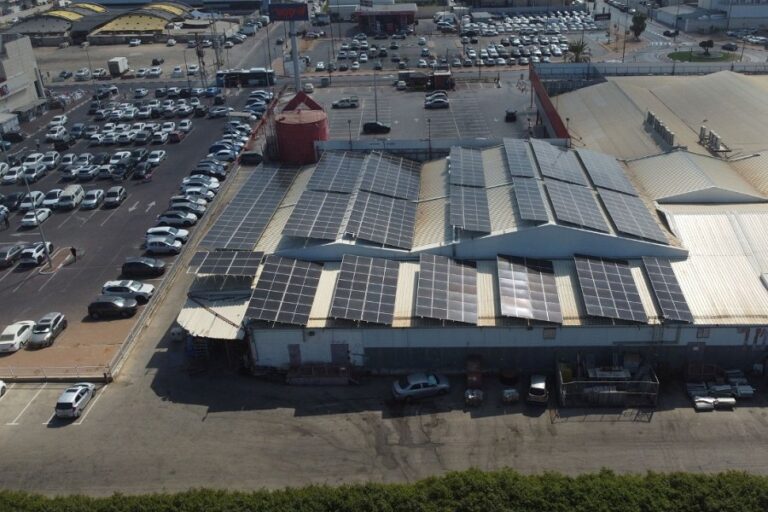
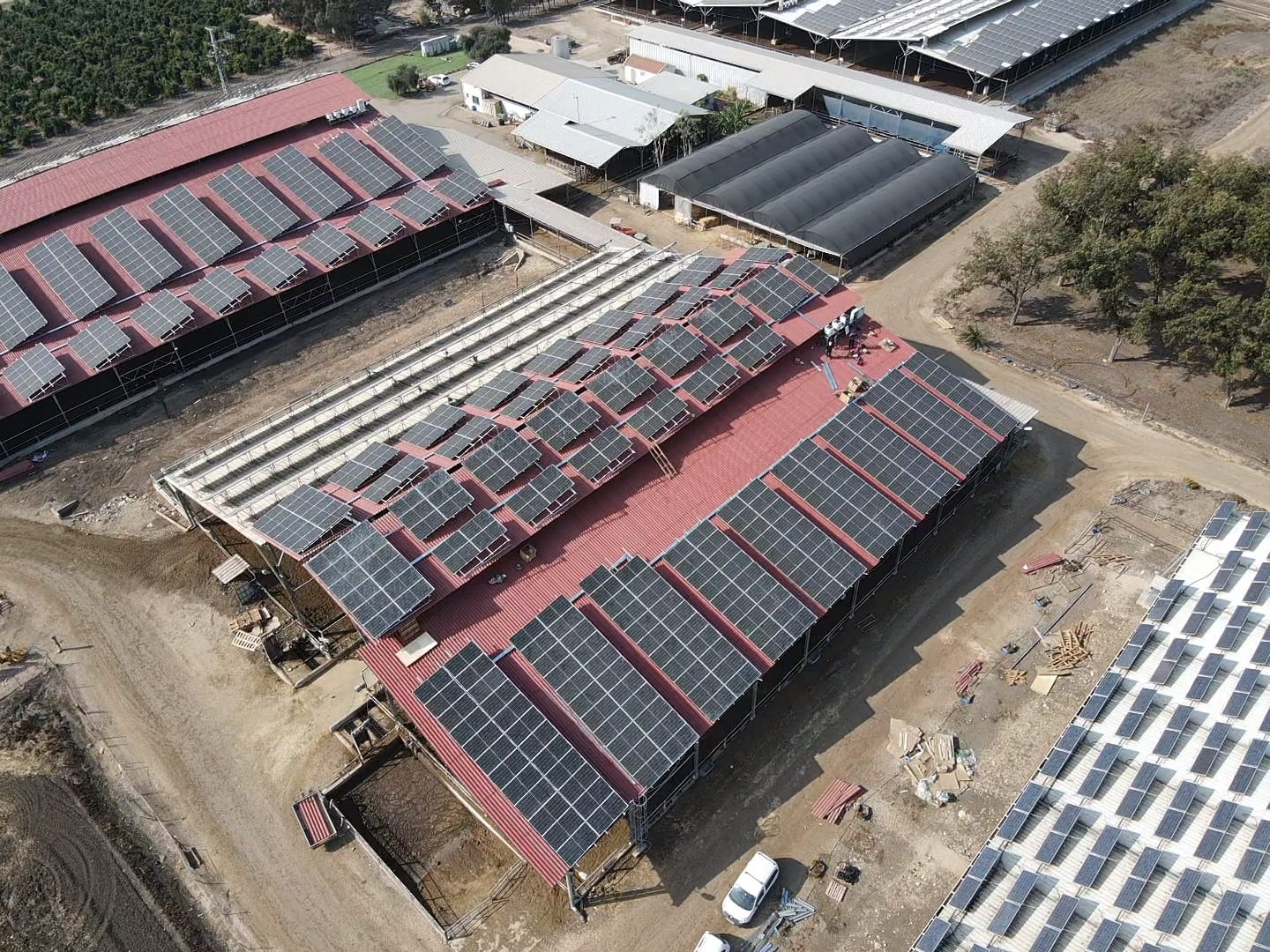
One aspect that receives less attention is the effect a solar system has on the value of your property. Homes with a working system are seen as having lower running costs and a clear advantage over comparable properties without one. For potential buyers that is a significant financial consideration, not only an environmental one. The same holds for commercial and industrial solar systems.
A home solar system also provides predictable income or a fixed saving that does not depend on market swings, interest rates or the state of the economy. For many families that is a quiet, stable financial anchor for years.
Who does a solar system particularly suit in 2026?
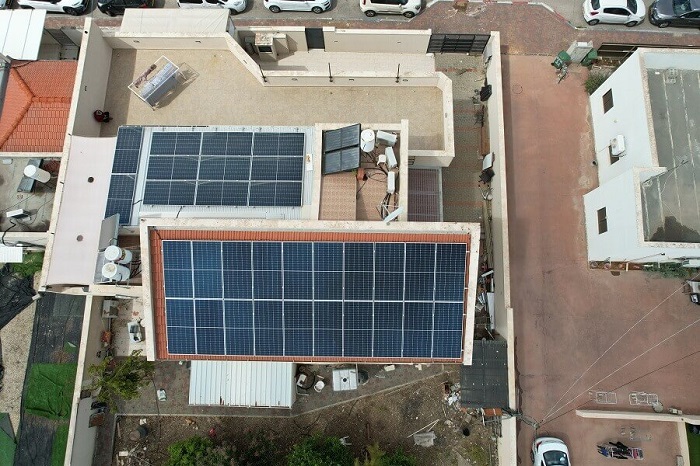
A solar system is especially well suited to owners of private homes with a free roof, to families with relatively high electricity consumption, and to anyone who prefers a solid, long-term solution over volatile financial products. Beyond that, it suits anyone looking ahead who wants to improve how the household performs financially over the coming decade.
The savings on electricity are substantial, and the surplus you generate is sold to the electric company simply and without bureaucracy, month after month.
Here is a link to the most advanced solar calculator in Israel
In summary,
In 2026 solar energy is no longer a green trend but a smart infrastructure decision. A rooftop solar system brings together financial saving, stability and sensible household management, without changing how you live or adding needless complexity.
The roof, once unused space, becomes an active asset that works for its owners – quietly, over time, intelligently, and best of all without complaining.

Do not wait – call us on *8426 or leave your details
We would be glad to help!
You may also be interested in: the green route | the urban premium | solar system installation in Netanya