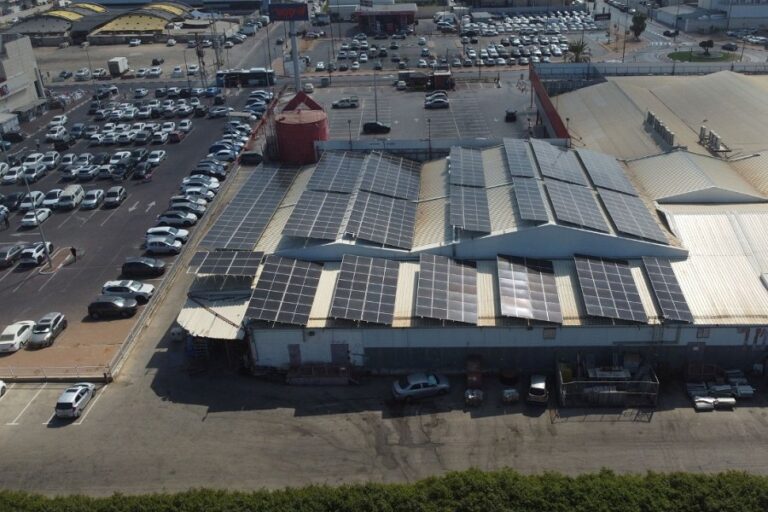
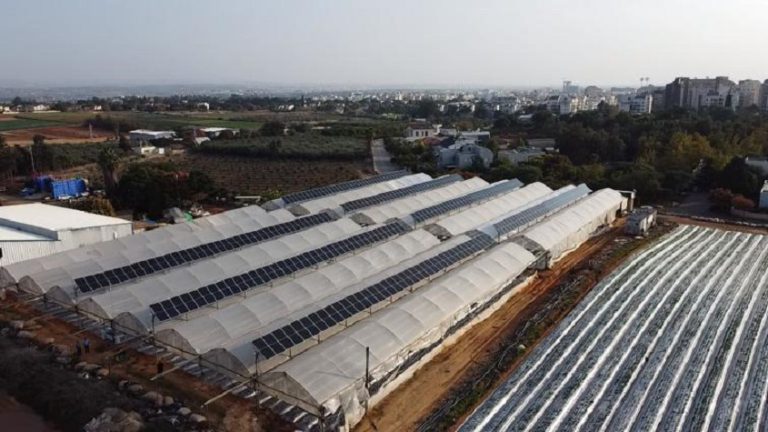
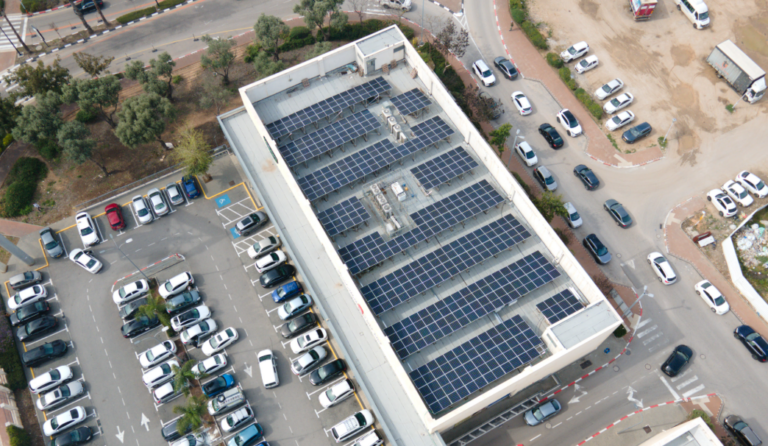
In a world where climate change is no longer a future threat but a present reality, choosing green energy matters more than ever. Israel, like most countries, is shaping policy to cut emissions and lean on renewable sources. Installing a solar system on the roof of a private home, a business or a public institution is far more than a financial saving: it is an environmental statement, and a direct contribution to our future and our children’s.
Cutting greenhouse gas emissions
Conventional power stations, particularly those running on coal, gas and other fuels, emit enormous quantities of carbon dioxide (CO2), nitrogen oxides and other pollutants that drive global warming and air pollution.
A solar system generates electricity cleanly, with no emissions. According to Ministry of Environmental Protection figures, every kWh generated from solar energy instead of a polluting station saves an average of around 0.7 kg of CO2.
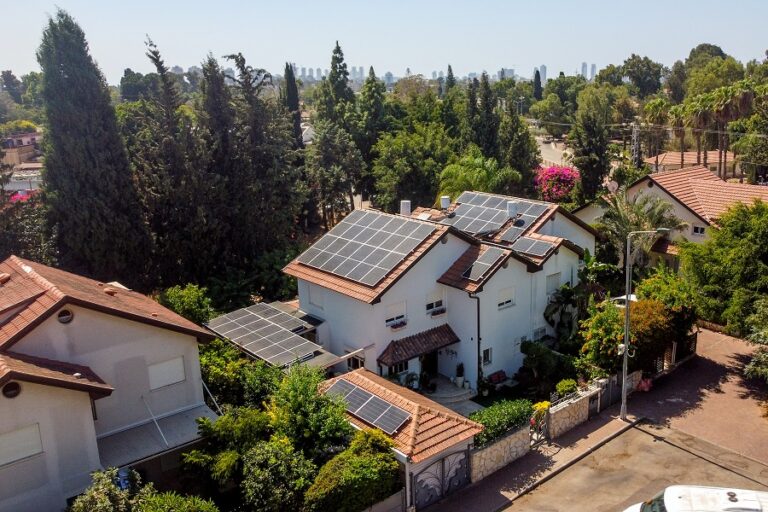
A home solar system of 10 kW, producing around 16,000 kWh a year, prevents the emission of more than 11 tonnes of CO2 annually – the equivalent of planting dozens of trees every year.
Click to view the Electricity Authority’s carbon dioxide calculator

Contributing to Israel’s renewable energy targets
Under international agreements and its own policy, Israel has committed to generating 30% of its electricity from renewable sources by 2030.
As of 2024 the figure stands at roughly 12%, and the main source – almost the only one – is solar.
What that means: every new solar system connected to the grid moves us closer to the national target. Even a small system on a private roof is part of the solution; thousands of systems add up and make the difference.
A positive effect on the local energy market
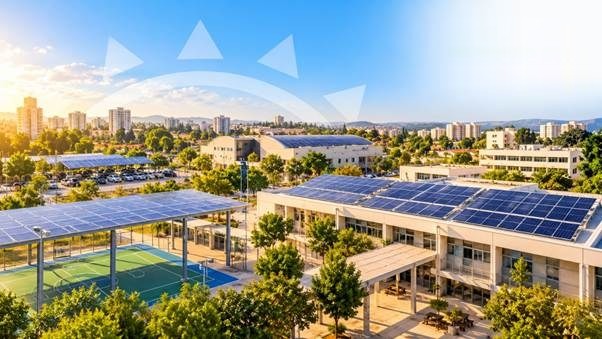
Distributed solar systems – those installed on the roofs of private homes, public buildings and institutions such as schools and municipal buildings – reduce the load on the grid, especially during peak summer demand.
The more local, green generation there is:
- the less we depend on polluting power stations;
- the less we depend on imported fossil fuels;
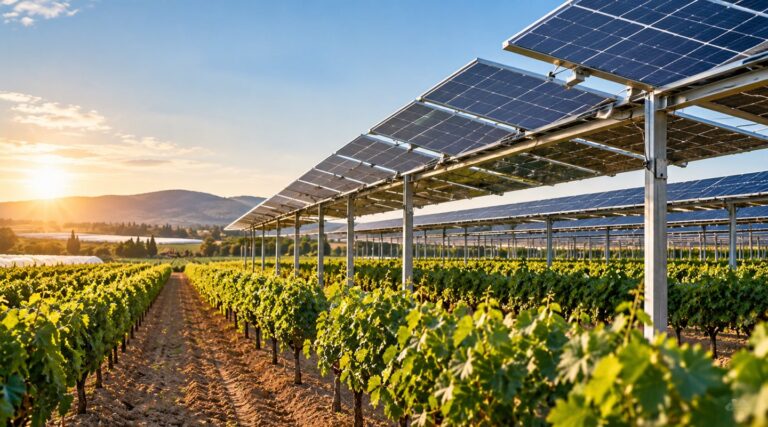
- the more innovative technologies advance, such as electricity storage, natural gas for domestic water heating, and commercial, residential and greenhouse solar systems.
Solar systems also build consumer and environmental awareness, turning the public into an active partner in the effort rather than a passive consumer of energy.
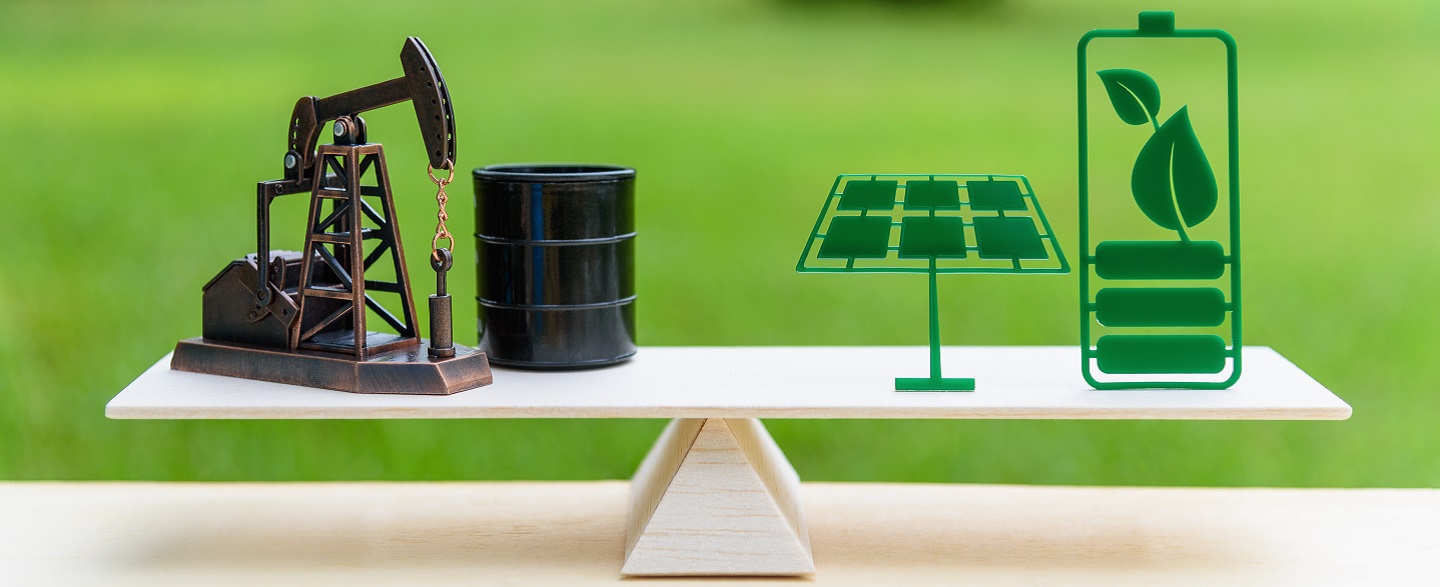
Further advantages of solar energy:
- Quiet and unobtrusive – no noise, no smell, no pollution.
- Maximum use of existing space – roofs that stood unused become generating units.
- Low maintenance and a long life – far less waste and far fewer resources over time.
In summary:
A solar system is much more than a smart financial investment – it is a responsible environmental choice.
It saves you money, and at the same time it cuts pollutant emissions, advances renewable energy in Israel and supports a cleaner, steadier, more sustainable electricity system.
Want to take part in the green energy shift?
We would be glad to check whether your property suits a solar system, including a simulation of the savings and the environmental contribution.
leave your details or call *8426
You may also be interested in: solar systems on greenhouses | solar system projects | the financial case for solar