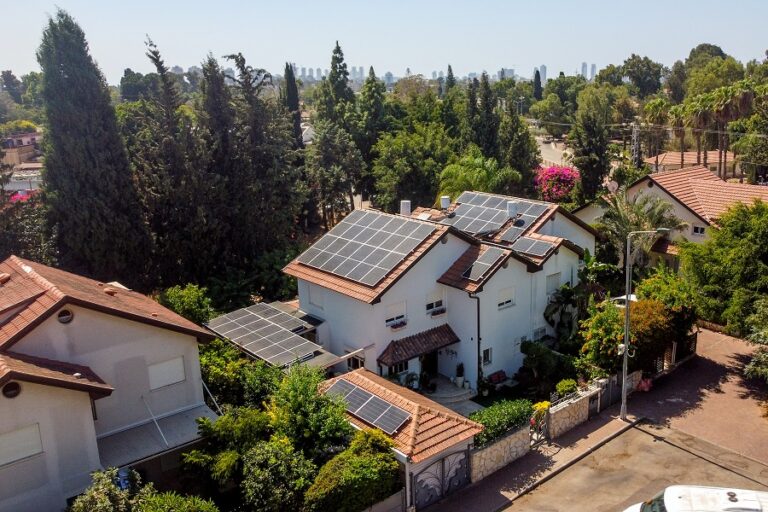
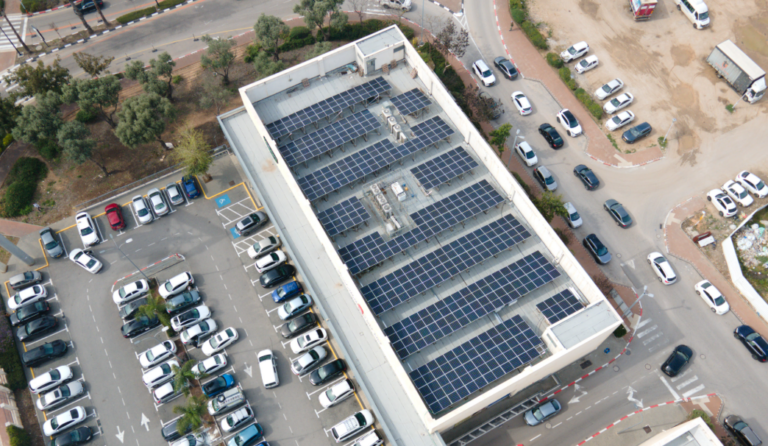
Homeowners across Israel are realising that the electricity bill is not a fact of life. With a solar system on the roof you can do more than cut your costs: you can turn your home into an electricity producer and earn from it. Alongside the environmental case, installing a solar system has become a smart financial move – one that delivers real savings and even a passive income.
In this article we set out the advantages, explain how it works in practice, and look at whether the numbers stack up
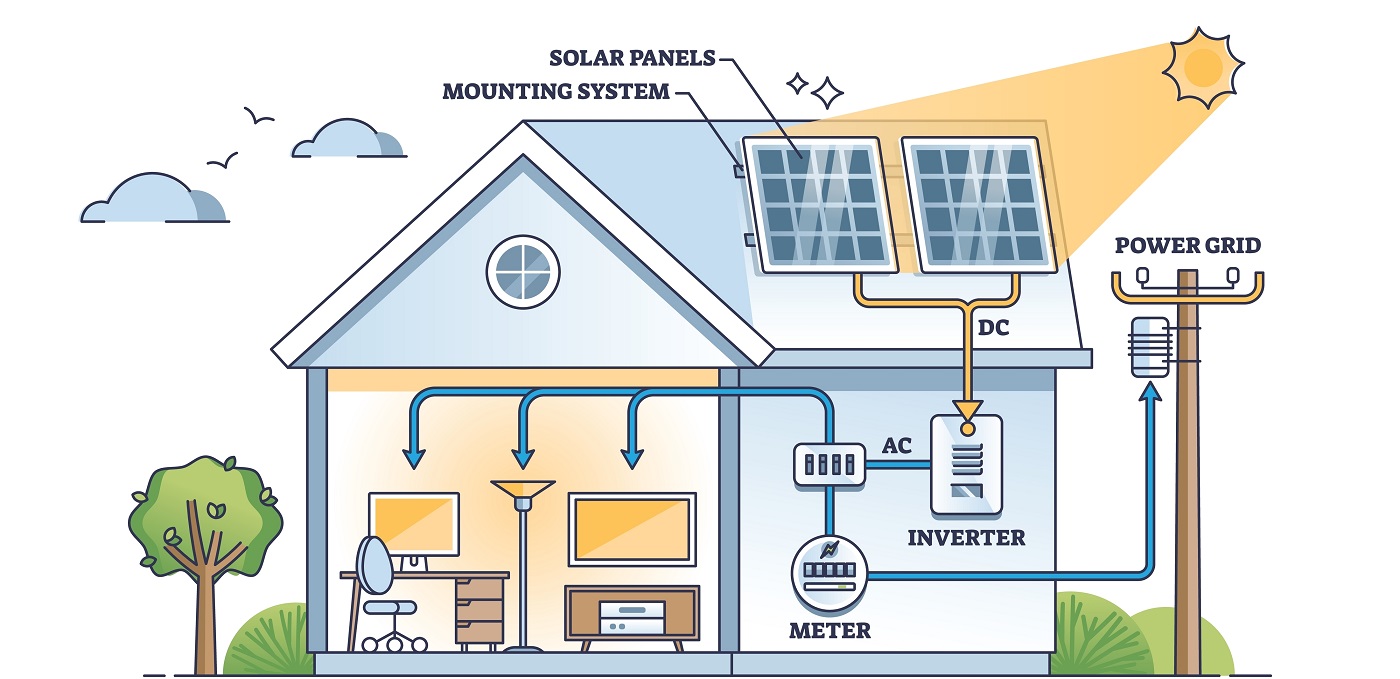
What is a home solar system made of?
A home solar system has several components:
- Photovoltaic panels: the central component of the system. This is the unit that captures sunlight and converts it into electricity.
- Inverter: a critical component. The inverter converts the current the panels produce into current that can be used in the house or fed into the national grid.
- Monitoring system: sensors, a communications module, access and a control panel. It lets you track how the system is performing: how much electricity is produced, how much is consumed, faults, changes in output and more.
The electricity produced goes first to the household’s own consumption. If the system produces more than the house needs, the surplus is fed into the national grid and the owner is paid for it.

How is the bill with the electric company calculated?
There are two main routes:
- Net metering
Consumed less than you produced? You are credited for the difference. This route suits households that use electricity during daylight hours, because that is where the big saving sits – in when the electricity is generated.
- Guaranteed tariff
The system owner receives a fixed payment for every kWh fed into the grid, whether or not they use the electricity themselves. These tariffs are updated from time to time by the state, and they currently include an urban premium of 6 additional agorot for every kWh produced (in the cities that qualify), under the 2022-2025 electricity reform.
- The urban premium is a benefit for solar system owners in specific cities, among them Netanya, Haifa and Kfar Saba.
Which route works best depends on the size of the roof, when you use electricity, the size of your monthly bill and plenty of other factors. At Rotem Energy we run all of those calculations against the specific data for your property, so that you end up with the highest return and the fullest use of the system.
Is a rooftop solar system really worthwhile, and by how much?
In practice a solar system pays back its installation cost within six to eight years – and from that point on it carries on producing electricity, and income for you, for many years more.
The main financial advantages:
- Ongoing savings: the electricity you generate offsets what the household consumes.
- Passive income: the surplus sold to the grid creates a positive cash flow.
- A more valuable property: a house with a solar system is a more sought-after asset.
- Protection against rising electricity prices: generating your own power softens the swings in price.
With its exceptionally high solar radiation all year round, Israel is one of the most worthwhile places in the world to install a system like this.
What affects the return?
Several factors shape how efficient the system is and what it will earn:
- The size of the roof and which way it faces: south-facing systems are more efficient.
- Shading or obstructions: trees, water heaters, neighbouring walls and so on.
- Your average electricity bill: the higher it is, the more the saving is worth.
- The size of the system: determined by the roof area and any roof constraints.
- When the house is in use: are you home during peak generation hours?
In summary
A home solar system is no longer a niche solution – it is a smart move financially, environmentally and personally. Anyone who looks at the numbers sees a safe investment, with low risk and a clear return.
To get in touch, leave your details or call us on *8426