In June 2024 the National Planning and Building Council approved a landmark regulation that is set to reshape Israel’s energy market: every new detached house and every new non-residential building will be required to have a solar system on its roof. It is a decisive step towards an ambitious national target – generating 30% of Israel’s electricity from renewable sources by 2030.
The law has not yet come into force, but it is a clear signal of a greener, cheaper, more sustainable future for every resident, developer and contractor.
What does the new decision cover?
Once the law takes effect:
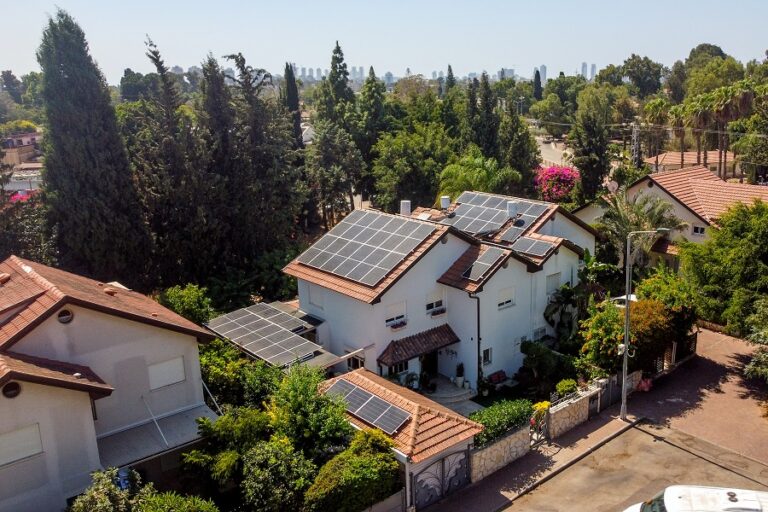
- Every new private (detached) home will have to install a residential solar system covering at least 40% of the roof area.
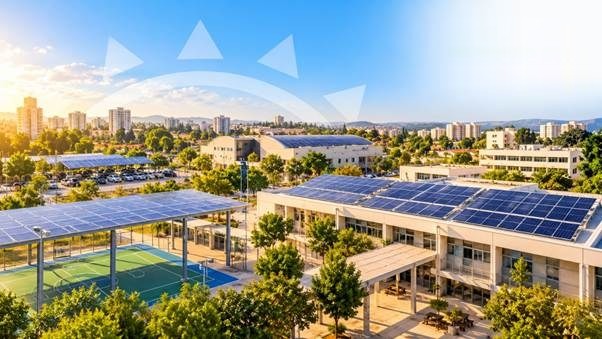
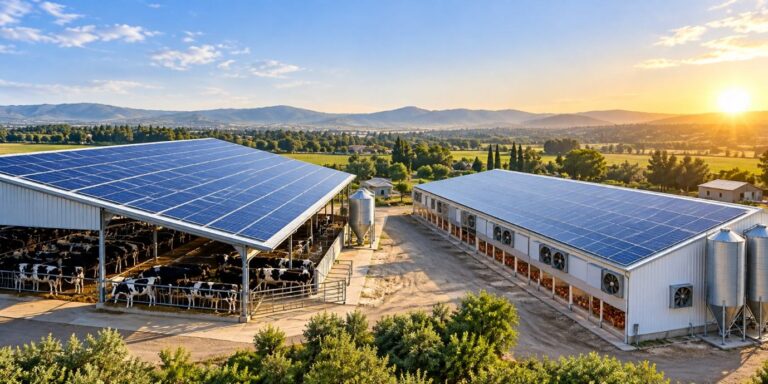
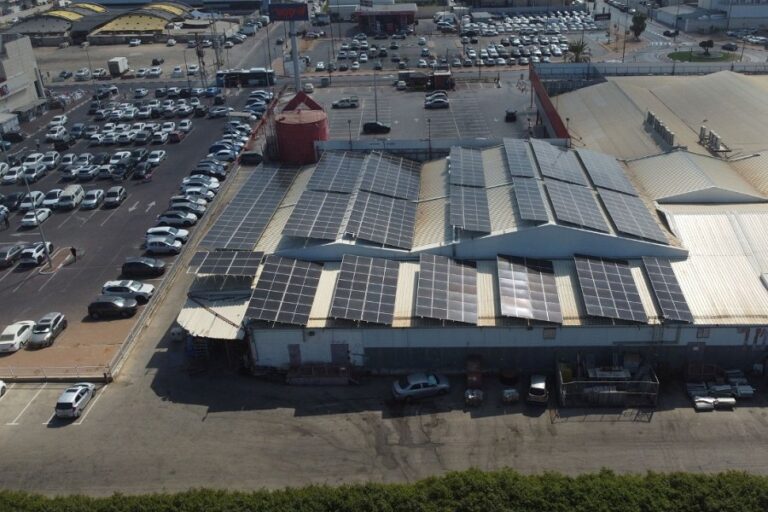
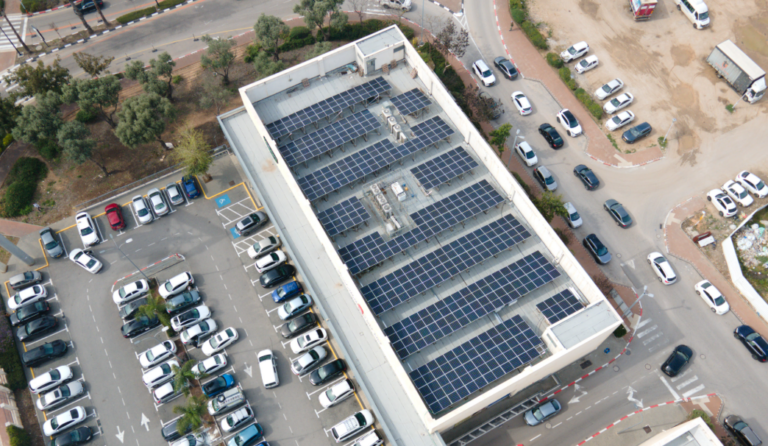
- New non-residential buildings with a roof larger than 250 sqm (offices, retail, industry, covered car parks and so on) will have to install systems covering at least 20% of the roof.
- The requirement will apply at the permit and construction stages, so a Form 4 or occupancy approval will not be issued without meeting the solar requirement.
Click to view the regulation on the Ministry of Environmental Protection website
Why does this matter so much for the country?
Israel lags behind much of the world in generating electricity from renewables. As of 2023 only around 10% of Israel’s electricity came from renewable sources, most of it solar. On top of that, the risk of escalation with Iran and the ongoing Swords of Iron war have slowed progress towards the target.
Because Israel is a sun-drenched country with an unusually high number of sunny days, the potential for generating solar power is enormous.
The current move is expected to accelerate the construction of both residential and commercial solar systems, and to reduce dependence on polluting fuels, natural gas and polluting power stations.
Clear environmental benefits:
- A dramatic cut in greenhouse gas emissions.
- Less air pollution in urban areas.
- Less strain on the national grid.
- A stronger local generation network (distributed energy).
Installing a residential solar system has an immediate environmental effect – every kWh generated from the sun avoids needless carbon dioxide emissions.

A substantial financial return for system owners
Anyone who installs a solar system on their roof is effectively signing an agreement with the Electricity Authority for 25 years. The authority undertakes to buy the electricity your system produces at a fixed, agreed tariff for the whole 25-year period. That tariff is revised from time to time and has fallen over the years, so the sooner you install, the higher the tariff written into your agreement.
Some of the advantages of building a solar system:
- A lower electricity bill – you use power generated on your own roof.
- Payback within just a few years (around seven).
- The option of selling surplus electricity to the grid.
- Added value to the property – a higher market price for the house.
The urban premium
New regulations such as the urban premium (an extra 6 agorot per kWh of surplus fed into the grid in eligible urban areas) raise the return from the system by around 12% or more, which means both a faster payback and a more profitable system.
The green route – the simple way to start
Alongside the new law, Israel operates the “green route” – a fast, efficient mechanism run by the electric company that connects a residential solar system with minimal bureaucracy:
- Approval within a few days.
- A digital process with the Israel Electric Corporation.
- No special building permits required (subject to the criteria).
- Fast installation by a certified installer from Rotem Energy’s in-house crew.
- Simple monitoring and control after installation, including a full briefing on how to track the system.
That makes it possible to build a solar system quickly and easily, and to be enjoying solar power within a matter of weeks.

In summary: a green shift on the way
The new law, alongside the green route and other incentives, is a game changer for Israel’s energy market. This is no longer a recommendation but an obligation, one that will make solar energy an integral part of every new building.