The end of 2026 is approaching, and for homeowners, businesses and commercial buildings considering a solar system, this is a period worth examining the available options. One of the reasons is the urban premium, an economic incentive designed to encourage electricity production from renewable energy in defined urban areas.
Under the current regulation, eligibility for the urban premium for new installations depends, among other things, on receiving a distribution utility response by December 31, 2026. That said, the Electricity Authority is examining the possibility of extending eligibility, so it is important to know the up-to-date regulatory situation and not to rely on assumptions about 2027.
So what does this mean for anyone planning a solar system installation, and which steps are worth taking right now?
Why is the end of 2026 a significant milestone?
The urban premium grants a tariff supplement to installations that meet the eligibility conditions set by the Electricity Authority. Its purpose is to encourage the establishment of renewable energy installations in urban areas and to make use of existing rooftops and infrastructure for electricity production.
According to the regulation currently in force, one of the central dates is December 31, 2026, the final date for receiving a distribution utility response in order to qualify new installations under the existing conditions.
In October 2026 the Electricity Authority published a hearing dealing with extending the regulation for low-voltage renewable energy installations. Within it, the Authority noted that it is also considering examining an extension of the urban premium in a separate process.
This means there is still no certainty regarding the conditions that will apply in the future. Property owners who wish to advance a solar project should take into account both the existing timelines and the possibility of regulatory changes.
More information on the eligibility conditions, tariffs and relevant areas
What is the difference between installing a solar system and obtaining the approvals?
One of the common mistakes in planning a solar project is the assumption that the installation completion date is necessarily the date that determines eligibility for incentives.
In practice, establishing a solar system involves several stages, from checking the property’s suitability to connecting the system to the electricity grid.
Among the main stages:
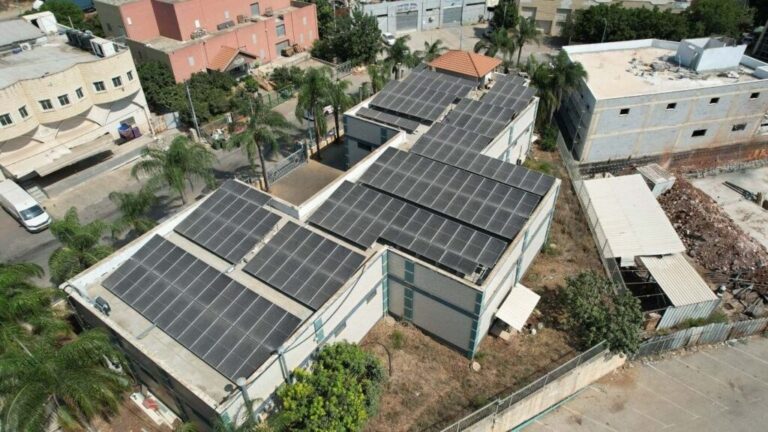
- Checking the roof’s suitability: examining the roof area, its condition, installation options and existing shading.
- Engineering planning: adapting the system to the building’s characteristics, electricity consumption and safety requirements.
- Submitting a connection request: transferring the required documents and data to the relevant body.
- Receiving a distribution utility response: a significant stage in determining the conditions relevant to the project and to premium eligibility.
- Installation and grid connection: carrying out the works, tests and approvals required to operate the system.
It is important to understand that submitting a request is not the same as receiving a distribution utility response, so you should not assume that starting the process before the end of the year guarantees eligibility for the existing conditions.
Which delays might affect the timelines?
Even when the roof is suitable for a solar system, it is not always possible to proceed immediately to execution.
Sometimes additional checks of the building’s structure, adjustments to the electrical infrastructure or completion of documents are required in order to submit the connection request.
In commercial and industrial buildings, additional challenges may arise, such as coordinating the installation works with ongoing activity, access to electrical equipment and systems, or the need for more complex engineering checks.
The handling times for connection requests may also vary according to the project’s characteristics and the grid conditions.
Therefore, when the date of receiving the distribution utility response matters, it is important to begin the preliminary checks as early as possible and to understand which stages are within the property owner’s control and which depend on external factors.
What is important to check before starting a solar system installation?
Toward the end of 2026, property owners interested in setting up a solar system should focus on three key questions.
Is the property suitable for a solar system installation?
Not every roof allows installation at the same scale or under the same conditions. Available space, shading, the building’s condition and the electrical infrastructure all affect the planning options and the electricity production potential.
Can the connection process advance within the existing timelines?
You should examine the project’s status, the required documents and the stages that must be completed in order to receive a distribution utility response. The earlier the checks begin, the sooner obstacles can be identified and addressed.
Is the investment worthwhile under different scenarios as well?
The urban premium may improve the economic viability of a solar system, but it is not the only factor affecting the investment.
It is worth examining the expected scope of electricity production, the setup and maintenance costs, the tariff track and the eligibility conditions. When there is uncertainty regarding the continuation of the regulation, it is important to also take into account scenarios in which the conditions will be different.
Is it worth waiting for the Electricity Authority’s new decisions?
The possible changes to the regulation may raise hesitation among property owners who have not yet started the process.
On one hand, it is possible that eligibility for the urban premium will be extended beyond the end of 2026. On the other hand, at this stage you cannot rely on an extension that has not yet been approved or assume that the future conditions will be identical to those in place today.
Therefore, instead of waiting without a preliminary check, you can already examine the property’s suitability, obtain an initial assessment of the system’s potential and understand the expected timelines.
View the official information at the Electricity Authority
Getting ready for the end of 2026 with Rotem Energy
Installing a solar system is a long-term investment, so it is important to make decisions based on professional data, suitable planning and familiarity with the regulatory requirements.
At Rotem Energy we accompany homeowners, businesses and commercial buildings through the process of setting up solar systems, from checking the property’s suitability and economic viability, through engineering planning and handling the required requests, all the way to installation and connecting the system.
Toward the end of 2026, while the question of continued eligibility for the urban premium is still under review, professional guidance can help you understand the available options and move forward in an orderly manner.
Planning to install a solar system? Now is the time to check your roof’s suitability, the eligibility conditions and the options available to you. The Rotem Energy team will be glad to accompany you through the process.