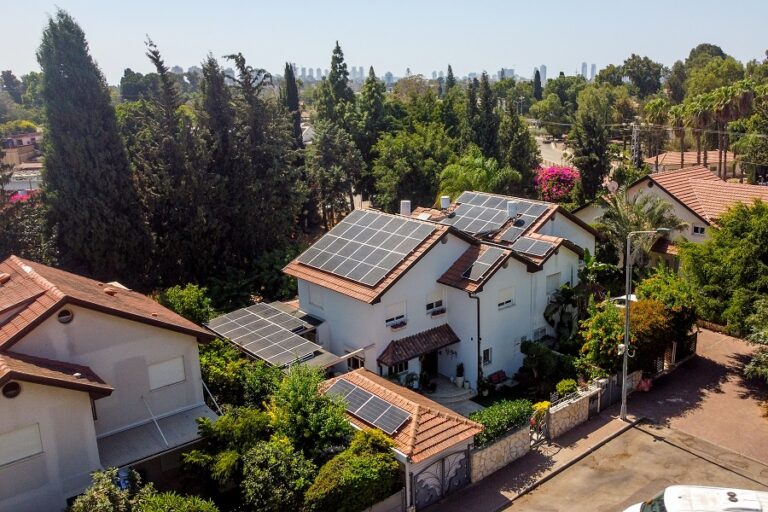
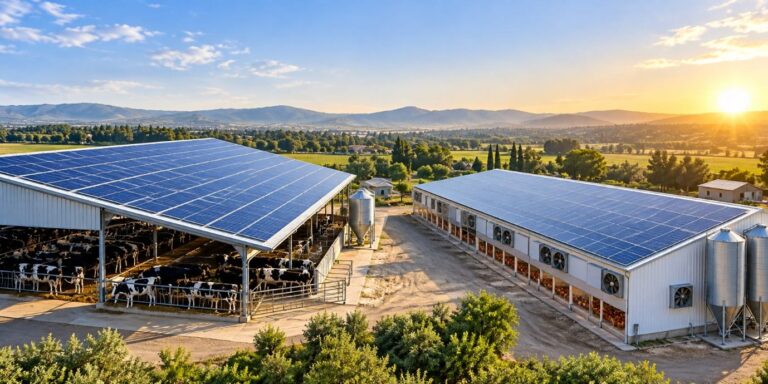
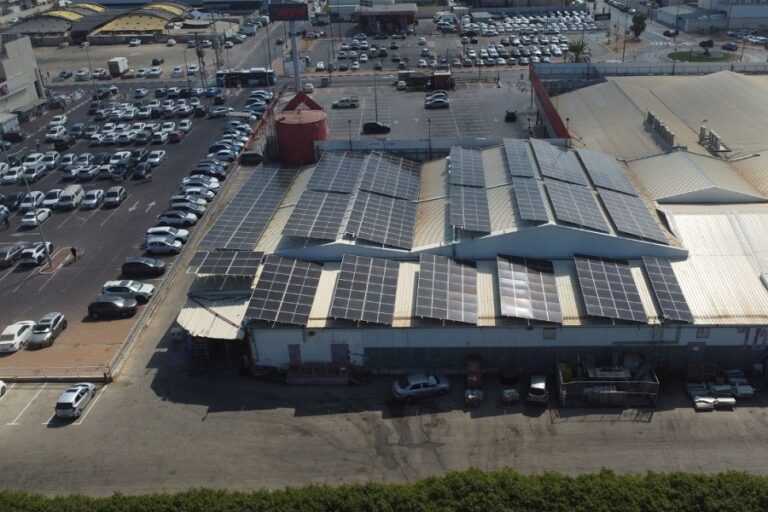
Are you a moshav farm owner considering installing a solar system? It is worth knowing that the options available to you differ from those of private homeowners. Alongside the house, you may have farm buildings, cowsheds, chicken coops, storage buildings or agricultural land that could be suitable for solar electricity generation.
But before you start installing solar panels, it is important to understand which areas of the farmstead are suitable, what the planning limitations are, which approvals are required and whether the electricity infrastructure allows the system to be connected.
For moshav farm owners, a professional check at the very first stage can save time, prevent unnecessary expenses and help choose a solution that fits both the existing agricultural activity and the farm’s future plans.
In this article we will review the key checks before installing a solar system on a moshav, the differences between installing on farm buildings and an agrivoltaic system, and the way to move forward to a project with professional support from start to finish.
Which Areas on Your Farm Could Be Suitable for a Solar System?
On many moshav farms there are areas whose suitability for solar electricity generation can be examined.
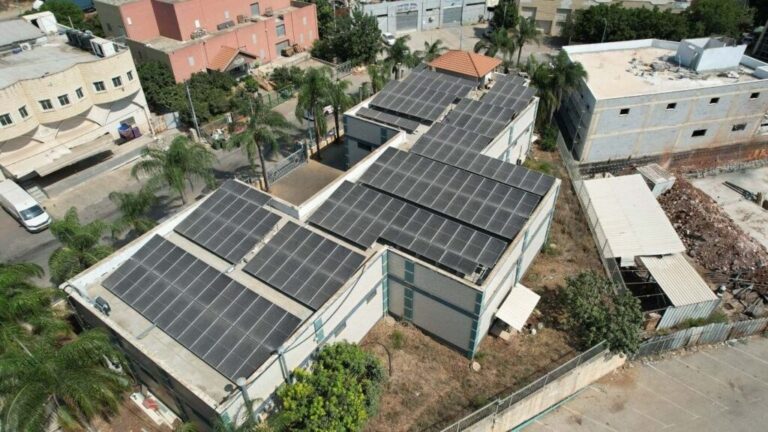
Roofs of agricultural buildings, for example, may be suitable for installing solar panels, subject to checking the building’s condition, the roof area, its orientation, existing shading and its load-bearing capacity.
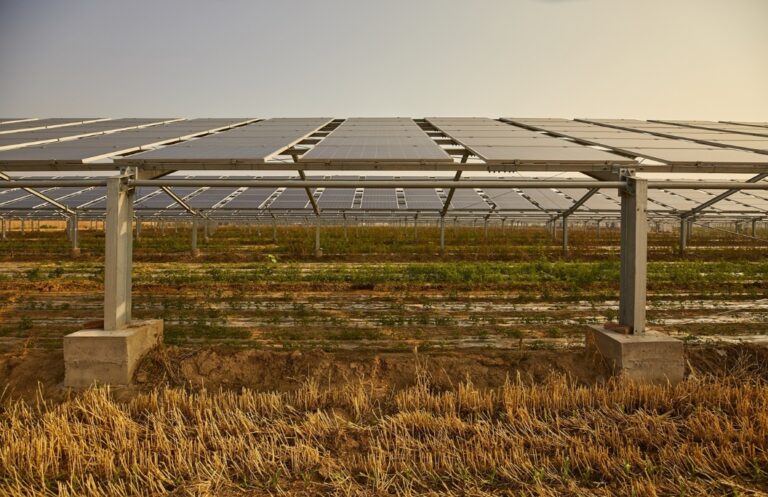
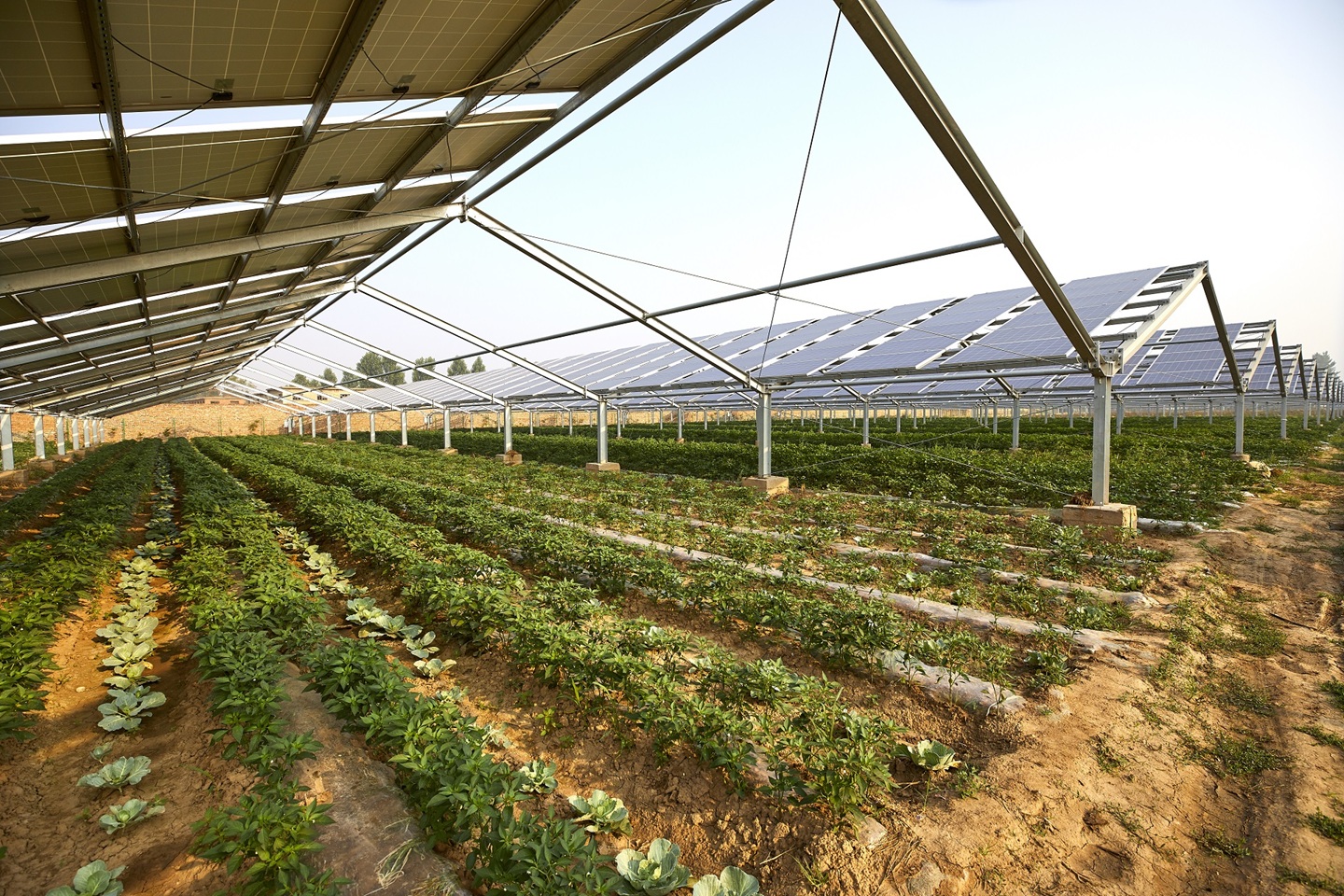
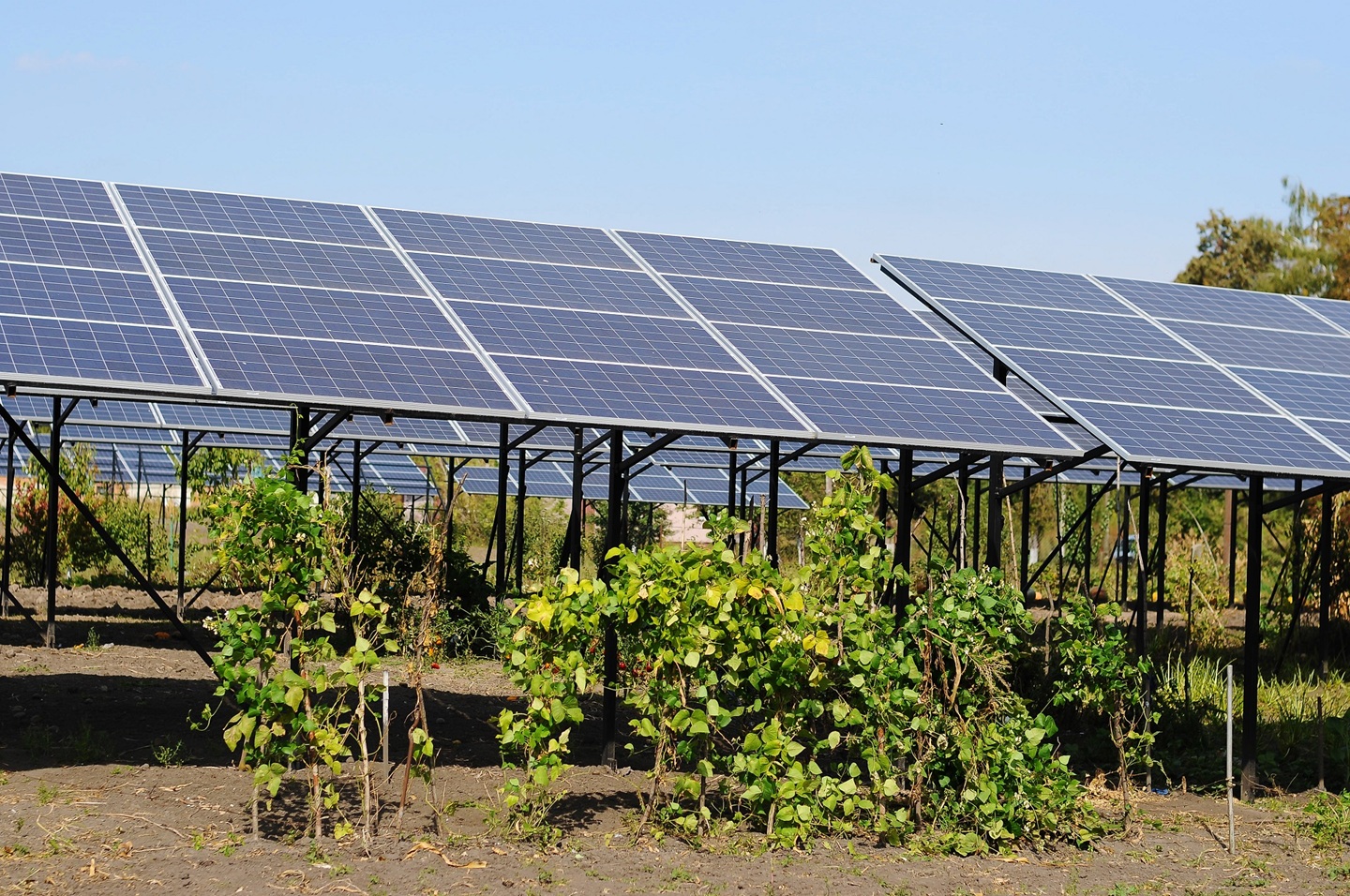
When it comes to active farmland, in suitable cases it is possible to consider setting up an agrivoltaic system, which combines electricity generation with continued agricultural activity on the same area.
The choice between the options depends not only on the size of the area, but also on land rights, the state of the infrastructure, the type of crops and your future plans as farm owners.
Land Rights and Permits: What Is Important to Check on the Farmstead?
One of the first checks before installing a solar system on a moshav concerns the status of the land and the uses permitted on it.
On agricultural farmsteads there is a distinction between the residential areas, the farm-building areas and the agricultural plots. Each of them may be subject to different planning provisions, usage rights and requirements.
Before moving forward, it is important to clarify whether the planned use is permitted according to the land’s designation, whether the existing buildings are properly regulated in planning terms and which approvals are required to set up the system.
In certain cases it is also necessary to examine the provisions of the Israel Land Authority, the requirements of the planning institutions and the conditions that apply to the farmstead.
Checking these issues early is especially important in order to avoid a situation where resources have already been invested in planning a system, only to later discover that it cannot be built in the desired configuration.
Is the Electricity Infrastructure on the Moshav Suitable for the System?
Even when a physically suitable area is found, it is necessary to check the possibility of connecting the system to the electricity grid.
On moshavim, electricity infrastructure can differ from one farm to another. Sometimes there are limitations on the amount of generation that can be connected to the grid, and in other cases adjustments to the existing infrastructure may be required.
Connection capacity affects the possible size of the system, the costs and the economic viability of the project. That is why the scope of the installation should not be determined only by the number of panels that can be placed on the site. The technical conditions and connection options must also be examined, according to the requirements of the relevant bodies.
Agrivoltaic System: How Do You Keep Cultivating the Land?
If you cultivate agricultural land on the moshav, you may be able to consider combining electricity generation with the existing agricultural activity.
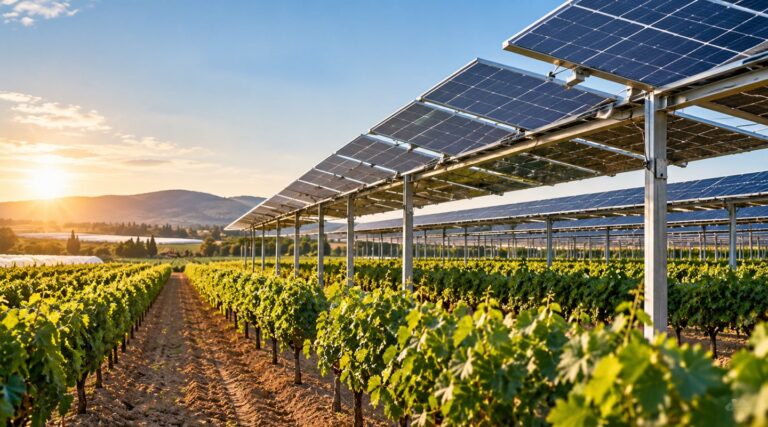
An agrivoltaic system is designed so that the solar panels integrate into the cultivated area, taking into account the needs of the crops and the agricultural operations carried out on site.
For example, on an area used for field crops, you need to take into account the passage of agricultural machinery, the method of irrigation and the amount of light the crops require.
In orchards, you also need to consider the height of the trees, the working spaces and the need for convenient access for care and harvesting.
It is important to understand that not every crop suits the same solar system configuration. Shading may affect different types of crops differently, so an agricultural assessment is needed alongside the engineering design.
More information on setting up an agrivoltaic system on farmland
How Do You Check Whether the Investment Pays Off for Your Farm?
After examining the suitability of the area and the connection options, comes the stage where it is important to understand the economic significance of the project.
The viability of installing a solar system on a moshav is affected by several factors, including the size of the system, the expected electricity output, construction costs, regulatory terms and maintenance expenses.
For farm owners, it is also important to take into account the possible impact of the project on the existing agricultural activity. A system that generates electricity but limits day-to-day work on the farm may be less suitable for your needs.
Before making a decision, you can use Rotem Energy’s solar calculator to get an initial estimate of the economic potential, based on the data the calculator allows you to enter.
That said, an initial estimate does not replace a professional feasibility check, especially when it comes to an agricultural project with unique characteristics.
To get an estimate through a solar calculator

Thinking About the Future of the Farm Too?
A solar system is designed to operate for many years, so it is important to examine its suitability not only to the current situation, but also to your future plans. If you are planning to expand a farm building, change the type of crops or bring in new agricultural equipment, it is worth taking this into account already at the planning stage.
Take, for example, the location of the panels; the height of the structure and the maintenance access routes may affect the ability to make changes on the farm later on.
Planning that takes future needs into account can help you benefit from the solar system without harming the operational flexibility of the farm.
From the Initial Check to Building the System with Rotem Energy’s Professional Team
Installing a solar system on a moshav is a process that requires familiarity with the farm’s characteristics, professional planning and coordination between different parties. It is important to choose a company that provides a professional response throughout the entire process, not only at the panel-installation stage.
We at Rotem Energy accompany farm owners from the initial feasibility-check stage, through examining the site conditions, system design and handling the required coordination and approvals, and up to installation and connection of the system to the electricity grid.
One of our significant advantages is working with our own professional installation teams, which allows better control over the process, attention to execution quality and continuity between the planning and construction stages.
Farmstead owners benefit from a single professional point of contact that knows the project from start to finish, tailoring the solution to the farm’s needs and the site’s characteristics.