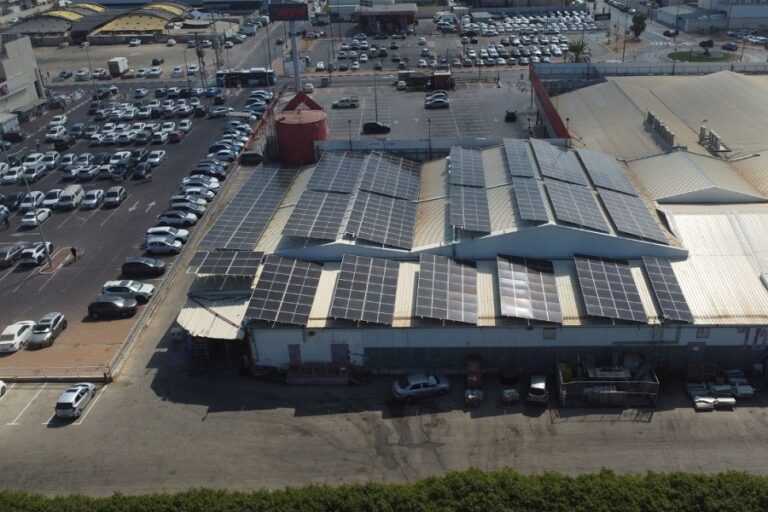
Independence Day is not only a time to celebrate but a moment to stop and think about the future. Alongside our independence as a country, more and more Israelis are choosing a different kind of independence: energy independence.
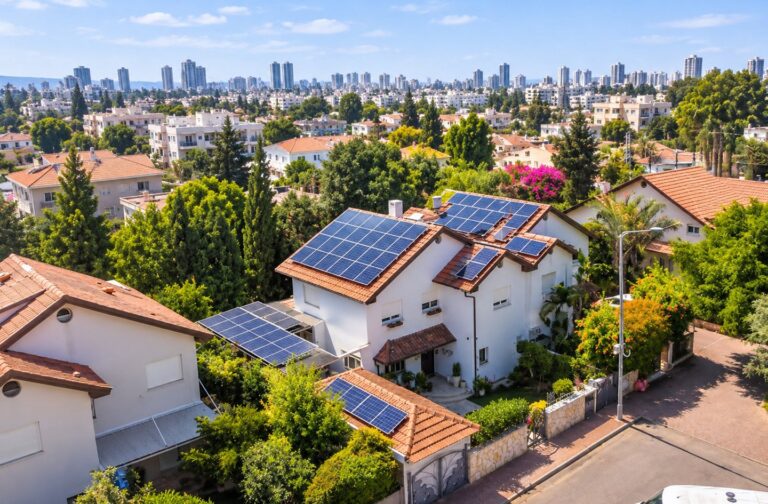
In an age when electricity prices are rising, along with prices at the supermarket and every other business, when financial uncertainty has become routine and environmental awareness is at its peak, solar systems are no longer a niche. They are a practical, financial and accessible solution for a wide range of properties: shops and shopping centres, apartment blocks and, of course, private homes.
The good news? You do not have to be a corporation or a large kibbutz to earn a passive income. A free roof is enough.

Not just private homes: the solar shift reaches every kind of property
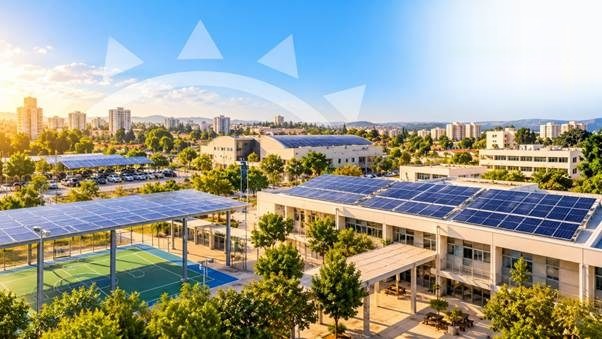
Solar systems used to be associated mainly with private houses; today the picture is entirely different. The market has widened and the solutions are relevant to almost any property with suitable roof space.
That includes:
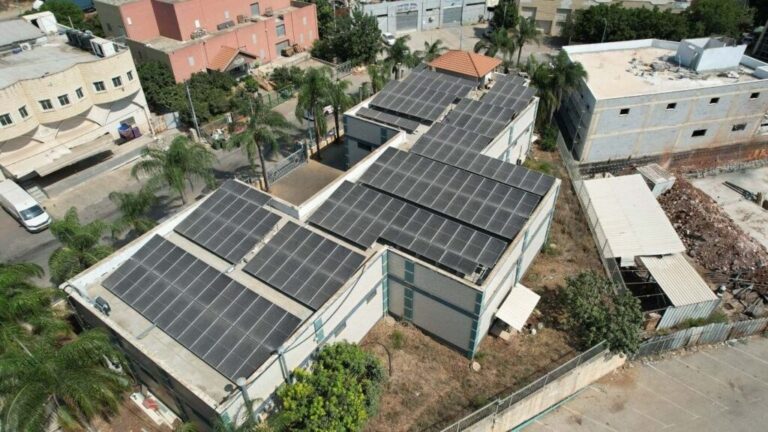
- Commercial buildings and offices
- Factories and industrial zones
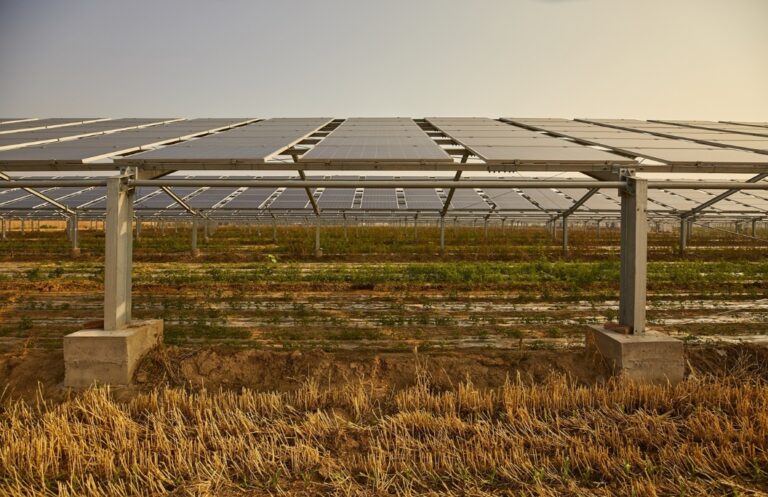
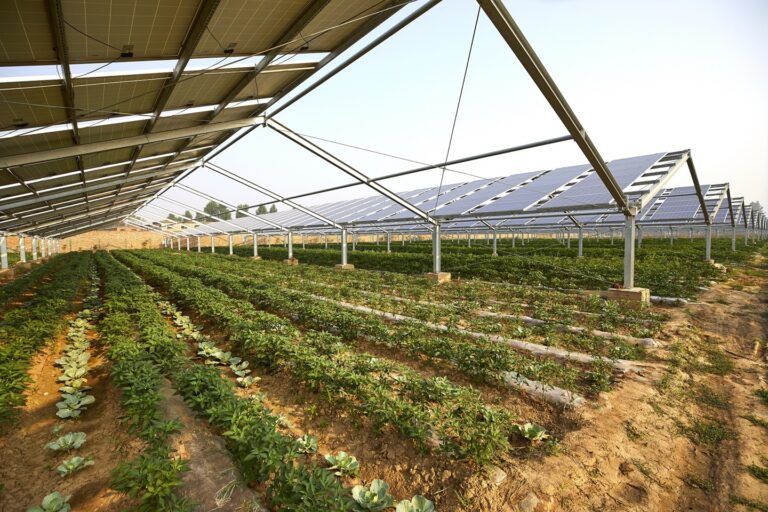
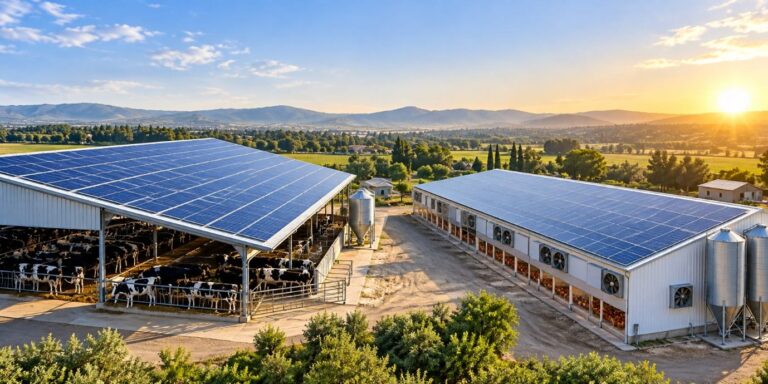
- Cattle sheds, poultry houses and farms
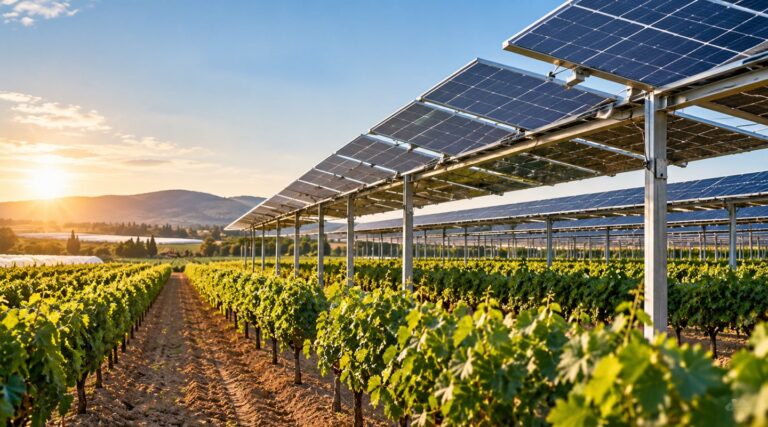
- Farmsteads and properties with large areas
What they all have in common is simple: unused space that can become a steady source of income for many years. You get an agreement at a fixed tariff with the electric company for 25 years.
So how does it work in practice?
A solar system is installed on the roof of the building and uses sunlight to generate electricity. The electricity produced serves the property itself, and the surplus is sold to the national grid.
The result is a combination of lower electricity costs and an additional passive income.
In other words, instead of paying for electricity you simply start producing it yourself, from panels on your own roof.
Heard about the green route? An opportunity for private homeowners
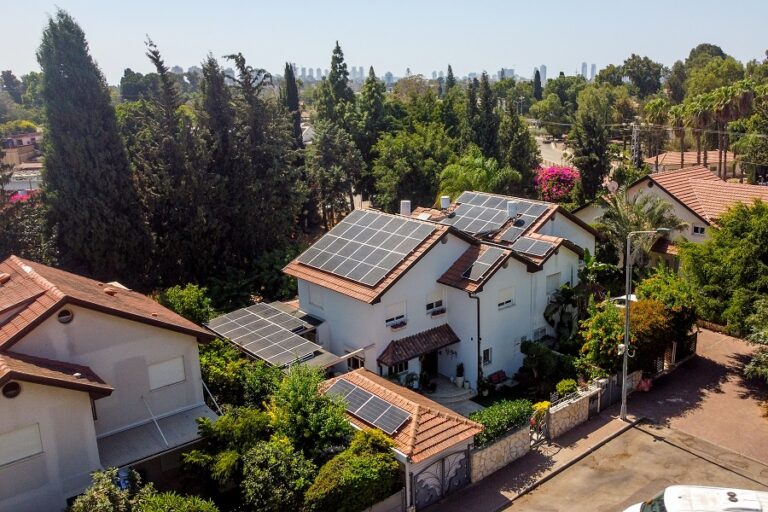
One of the significant developments in the field is the “green route” for residential solar systems.
It is a route that allows a simpler, faster installation process, with less bureaucracy and the ability to move ahead efficiently.
For homeowners with a free roof it is a genuine opportunity to enter the solar world without getting stuck for months in complex procedures.

Another bonus from the state, the “urban premium”: an advantage for city properties
Recent years have also brought the “urban premium”, a mechanism that encourages solar systems specifically in urban areas.
In certain cases that means property owners in cities can enjoy improved terms on the electricity they generate.
It is an important shift in thinking, and it strengthens the case for systems on the roofs of private homes and buildings in city centres. It means a faster payback and a better monthly return – a distinctive and very worthwhile benefit. Israel has set a national target of 30% green electricity generation by 2030, and to encourage the public to help meet it the state offers a significant benefit to anyone installing a solar system. Want to hear more?
Learn more about the urban premium

Beyond the environment: a financial decision too
Alongside the clear environmental benefits, it is important to understand that moving to solar energy is first and foremost a financial decision.
The main advantages include:
- A significant reduction in electricity costs
- A new source of income from the roof
- Making use of existing space, with no need to invest in further property
- A stronger property value
For businesses and factories there are wider implications too, including a better reputation, alignment with ESG standards and sometimes an advantage in obtaining government grants and support.
Think outside the box and look at the roof differently
One of the interesting things about this field is the change in perception.
Where the roof used to be “just another part of the building”, more and more people now understand that it can be a productive asset. A free roof is not empty space but untapped financial potential.
Anyone who chooses to look at it differently finds an opportunity.
What does it cost, and is it worthwhile?
The question comes up in almost every conversation, and rightly so.
The cost of a solar system varies with the size of the system, the type of property and other parameters, so there is no single figure to quote.
What can be said is that in most cases this is an investment with a clear payback of just a few years, a healthy return, and the possibility of financing (again, because the state encourages it, banks tend to fund a substantial share in many cases).
To understand the precise potential, advanced tools such as a solar calculator give an initial estimate tailored to the specific property.
See Rotem Energy’s advanced solar calculator
In summary: independence starts with a decision
On Independence Day, when we talk about freedom, stability and security, it is worth remembering that in energy too we have a choice.
Whether it is a private home, a business, a farm or an urban property, moving to solar energy makes better use of what is already there, creates new value and builds a steadier future.
Because sometimes all it takes to begin is to look at the roof from a slightly different angle.
To get in touch, leave your details, talk to us on WhatsApp or call us on *8426