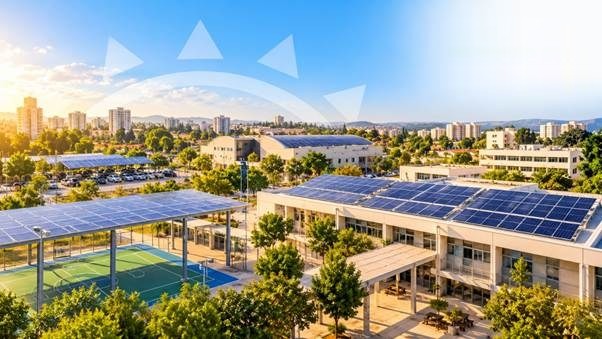
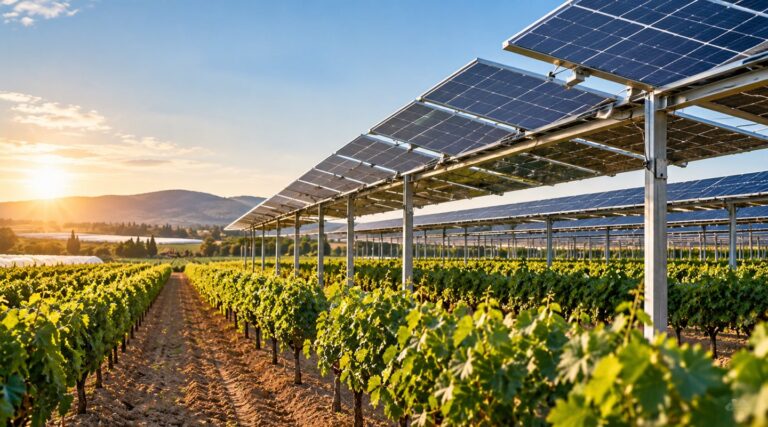
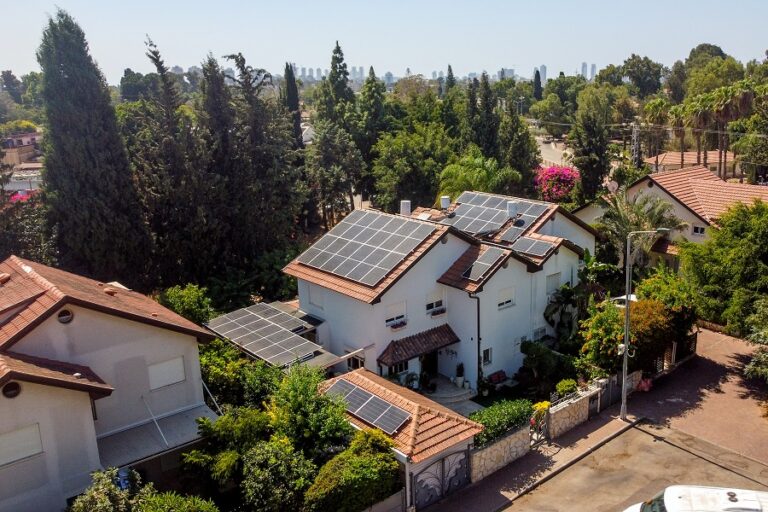
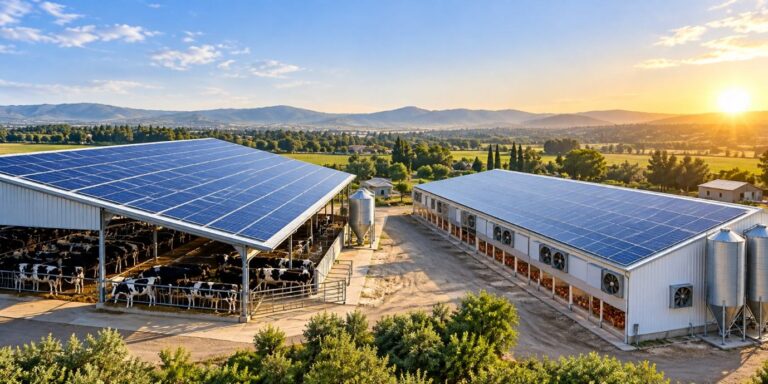
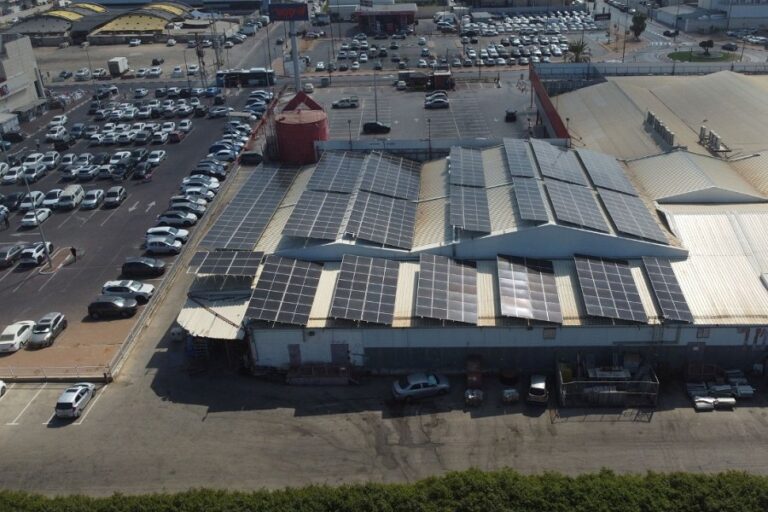
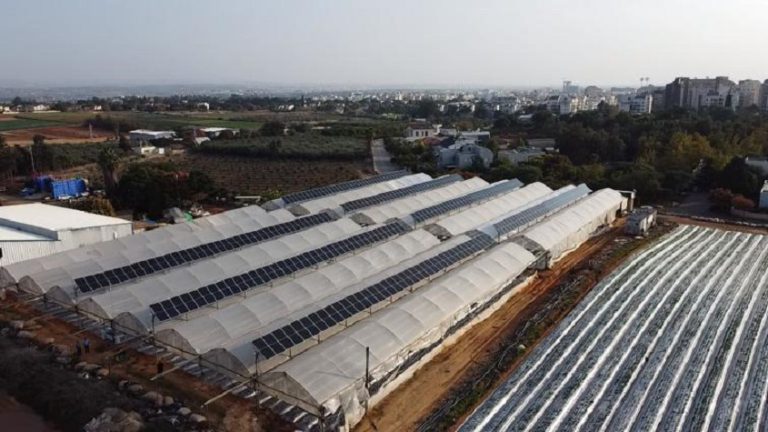
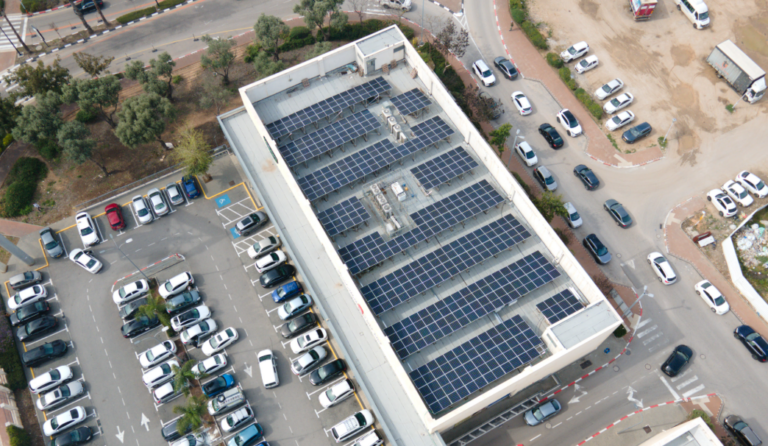
Installing a solar system is a strategic move that creates real value for your property. Instead of an unused roof you get a system that generates electricity for years and reduces your exposure to energy costs. Think about it for a moment: you receive financing for your solar system, the system generates the electricity you use, and you sell the surplus to the electric company. Have you ever had an electricity bill in credit? Here is everything you wanted to know about the installation process at your business, your home or on farmland, from start to finish:
How does a solar system actually work?
A photovoltaic (PV) system is made up of solar panels that capture sunlight and convert it into direct current (DC) electricity.
The inverter converts that into alternating current (AC), suitable for use in the home or business and for connection to the grid.
The process is simple:
- the panels capture sunlight
- an electrical current is produced
- the inverter converts the current for use
- the electricity is used on site, and any surplus (where it exists and the arrangement allows) is fed into the grid
Designing the panel layout and the electrical system properly is critical to high output over the long term.
Is every roof suitable for solar panels?
Not necessarily. Before installing a solar system a professional survey is needed, covering: the genuinely usable free area, identifying shading (trees, neighbouring buildings, water heaters, air-conditioning units and so on), the type of roof (concrete, tiles, isokorit), the state of the waterproofing and structure, and the existing electrical infrastructure.
The survey stage is one of the most important of all: checking first prevents a flawed design and ensures a system that works efficiently.
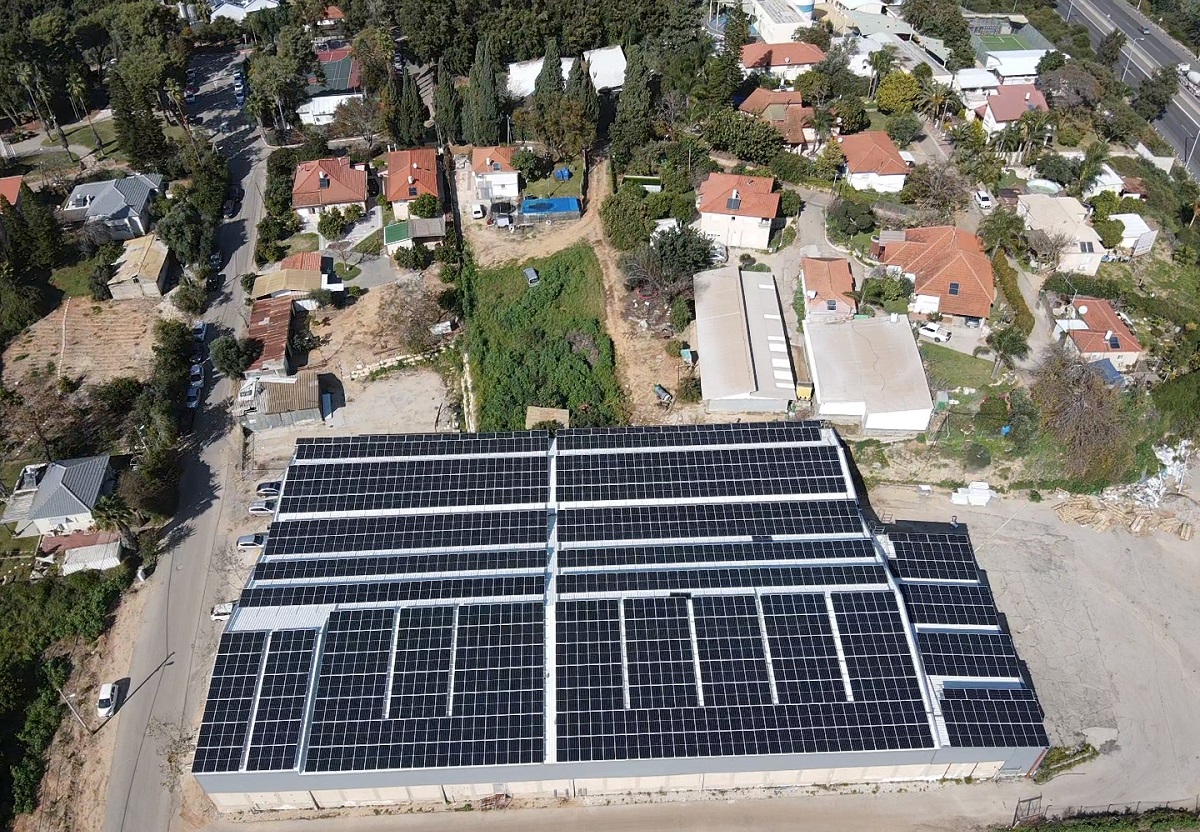
The stages of installing a solar system with Rotem Energy
When you install a solar system with us, the process is managed professionally and in full, from the first step to commissioning.
Stage 1: roof survey and professional suitability check
Rotem Energy’s own experienced, professional crew comes out to the site and carries out:
- an accurate measurement of the roof area
- identification of existing and potential shading
- a check of the waterproofing and the infrastructure
- a check of the distribution board and earthing
- an assessment of realistic capacity based on the building’s characteristics
This is not a general estimate but an on-site survey that allows genuine, accurate design by specialists in the field.
Stage 2: engineering and electrical design
After the survey a detailed design is produced, covering:
- a mounting structure matched to the type of roof and the loads
- a panel layout that avoids self-shading
- full electrical design (inverter position, cable routes, connection to the board)
- safety, appearance and future access
A certified structural engineer is involved to approve loads and structural stability, because there is no compromising on safety.
Stage 3: full handling of approvals and bureaucracy
Rotem Energy handles the entire regulatory side for you, including:
- working with the electric company
- submitting the relevant applications and approvals
- coordinating with the local authorities where needed
- meeting safety standards and professional standards
- involving an electrical engineer and a certified structural engineer as required
The client does not have to deal with bureaucratic procedures – we manage the whole process.
Stage 4: installing the solar panels on site
At the construction stage the mounting structure is built, the panels themselves are installed, cables and trunking are run neatly, the inverter is installed and connected to the distribution board by a certified professional, and full safety and compliance checks are carried out.
The work is carried out under strict safety procedures, with close attention to quality and finish.
Stage 5: grid connection and commissioning
Once installation is complete, final checks are carried out, the connection is made in line with the electric company’s procedures, and ongoing output monitoring is set up.
From the moment it is switched on, the system generates electricity continuously and in a managed way.
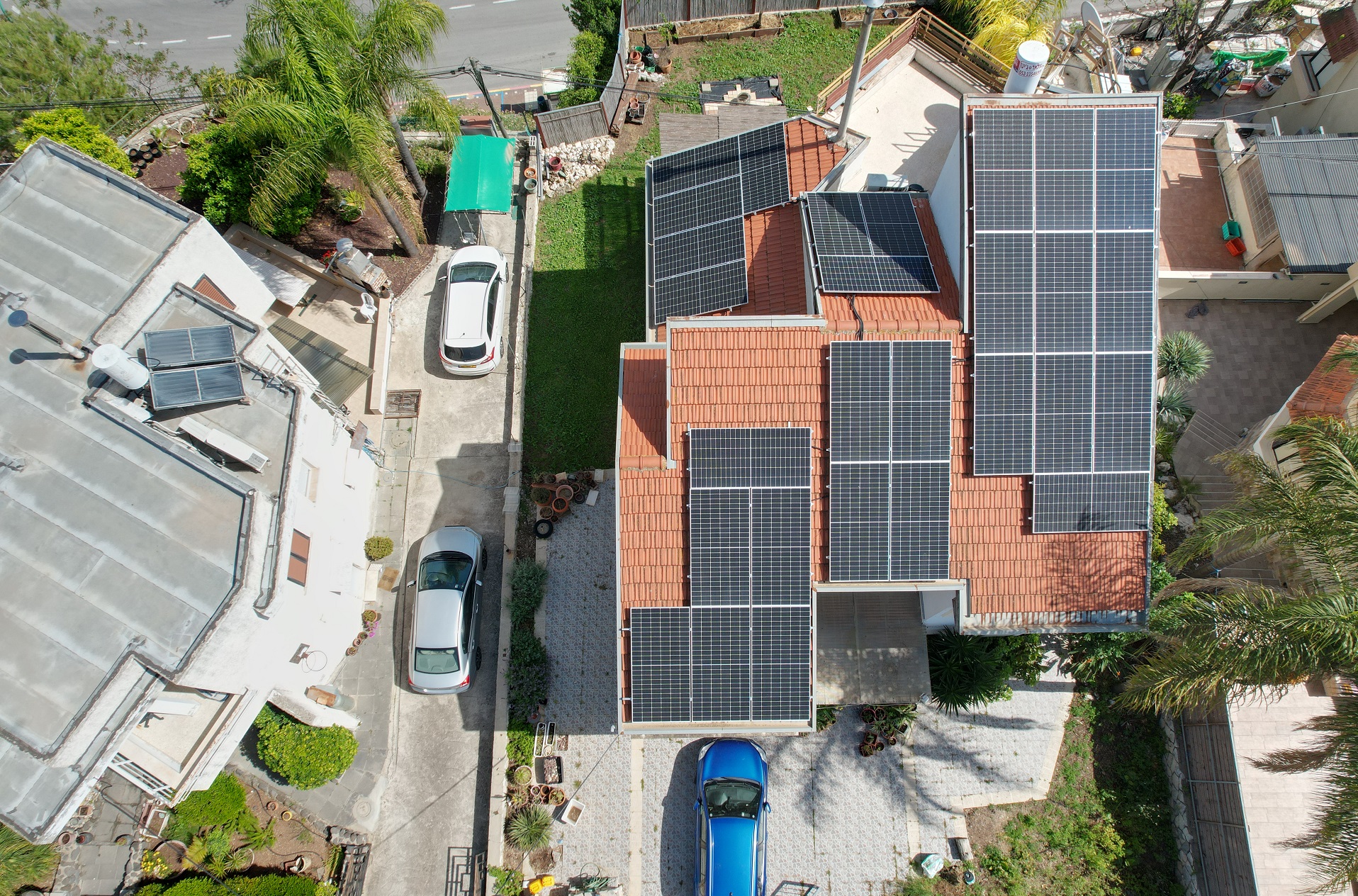
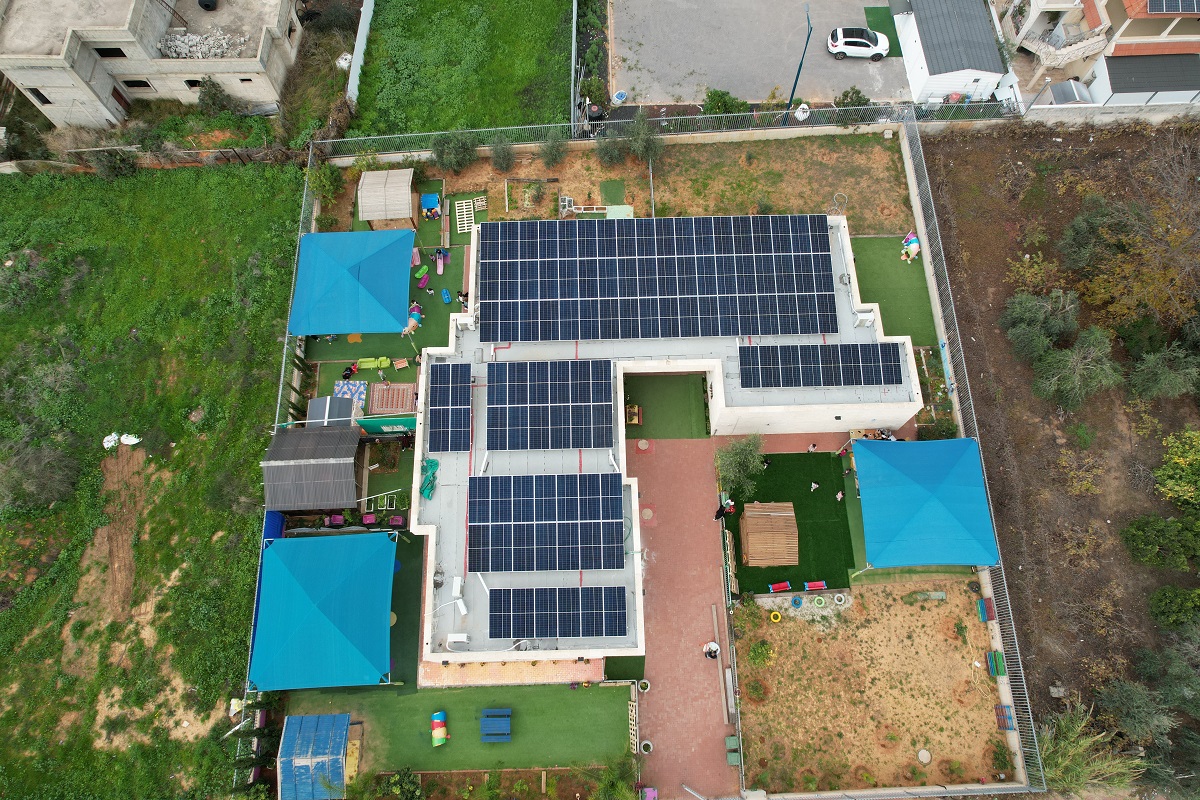
Watch drone footage of a 19.8 kW home solar system in Pardes Hanna:
Installing a solar system is an engineering process that requires assessment, design, professional support and full management of every stage of the project. Done properly, the result is a stable, safe system that produces for years.
Rotem Energy is with you from the first survey through to full commissioning, including engineering design, a certified structural engineer, safety standards and complete handling of every bureaucratic aspect.

Do not wait – call us on *8426 or leave your details
We would be glad to help!
Frequently asked questions | installing solar systems
How much can you earn from a solar system?
Income from a solar system depends on several parameters: the city, whether it is a private system on a particular tariff or a commercial one. An advanced, accurate solar calculator is available to you.
What is the urban premium?
It is a tariff supplement granted by the state, which has a clear interest in seeing as many solar systems built in Israel as possible. See the details on the urban premium.
Does installing a solar system require a building permit?
In certain cases exemptions apply where the conditions set out in the regulations are met, but professional design and compliance with the standards are still required.
Can solar panels be installed on a tiled roof?
Yes, using dedicated mounting solutions suited to that type of roof.
Does the system work in winter too?
Yes. Output depends on the strength of the radiation, but the system keeps generating on cloudy days as well.
Is maintenance required?
The system needs periodic checks and output monitoring. Panels are cleaned as needed, according to the conditions around them.
Does Rotem Energy handle the bureaucracy as well?
Yes. The company manages the entire process with the electric company, the authorities and the certified professionals involved.
What determines the size of the system?
The roof area, orientations, shading, the electrical infrastructure and the energy needs of the building.
You may also be interested in: home solar systems | commercial solar systems | solar systems on farmland