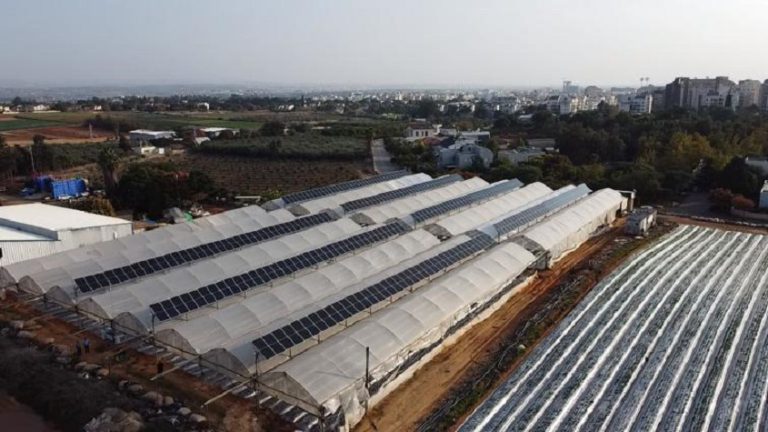
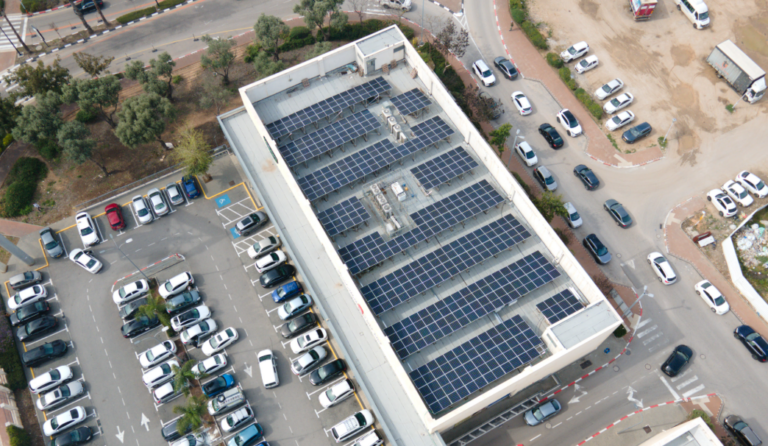
In recent years the conversation about solar energy has moved out of the “nice upgrade for a private house” category and into business risk and operations management. The reason is simple: electricity is a basic input, and when it becomes more expensive or less predictable, every business looks for stability.
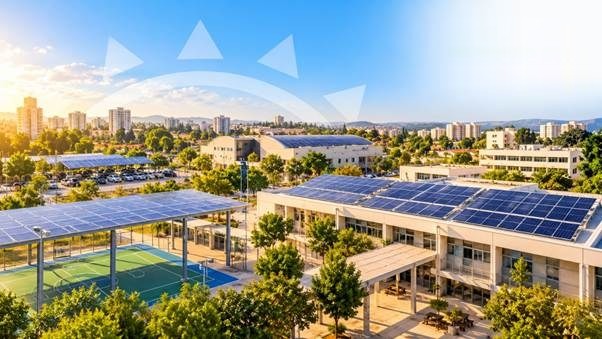
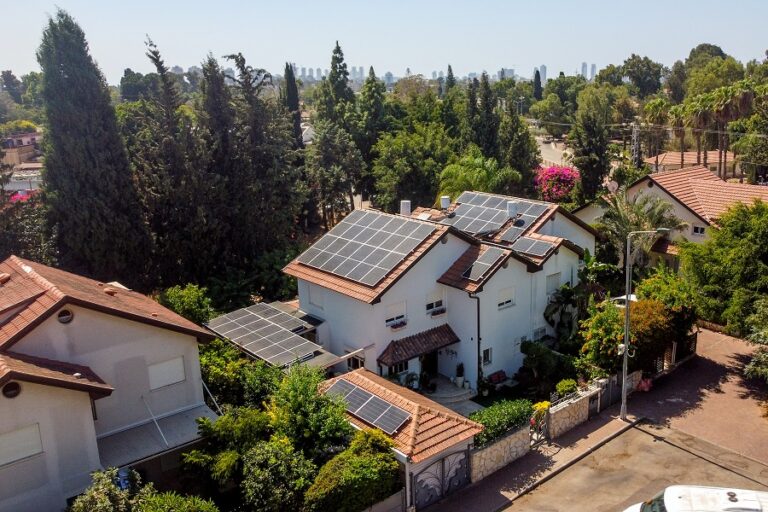
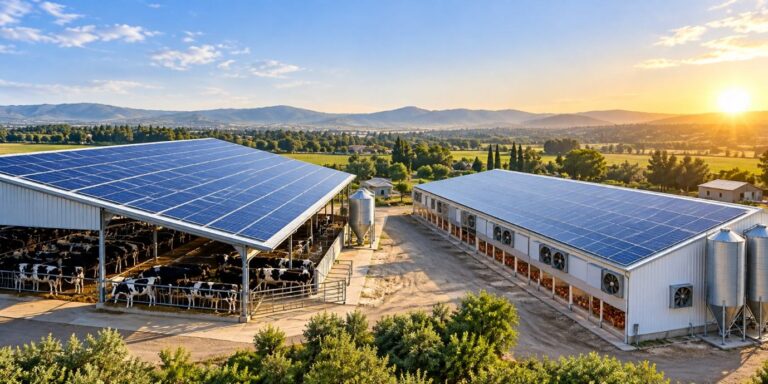
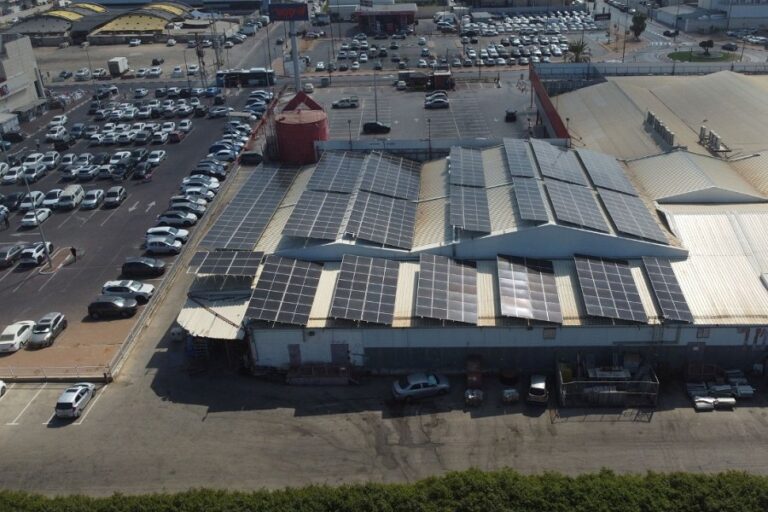
Businesses often assume that solar only suits companies in the energy sector. In practice, a business with a free roof owns a valuable resource that in many cases simply goes unused: a roof exposed to the sun, infrastructure that is already in place, and the ability to turn a running cost (electricity) into a move that reduces dependence.
The 2030 target is driving the market – and roofs are at the centre of it
When a country sets a target of 30% of its electricity from renewables by 2030, it is signalling to the market that installation volumes have to grow and that roofs are a critical part of the answer.
That is not only an environmental argument but an infrastructure one: distributed generation on roofs reduces load in particular areas and cuts reliance on ground-mounted solutions, which are not always available.
ESG: a competitive advantage that does not stay on the page
An organisation that installs a solar system is not buying a green certificate. It is making a move that can be evidenced in numbers: how much electricity the organisation generates, how far it has cut its dependence on fossil fuels, and what management processes were involved (governance, control, operations).
In ESG terms this speaks to almost every stakeholder: clients, employees, management, the board, and in many cases suppliers and partners who want to work with organisations that demonstrate environmental responsibility in practice.
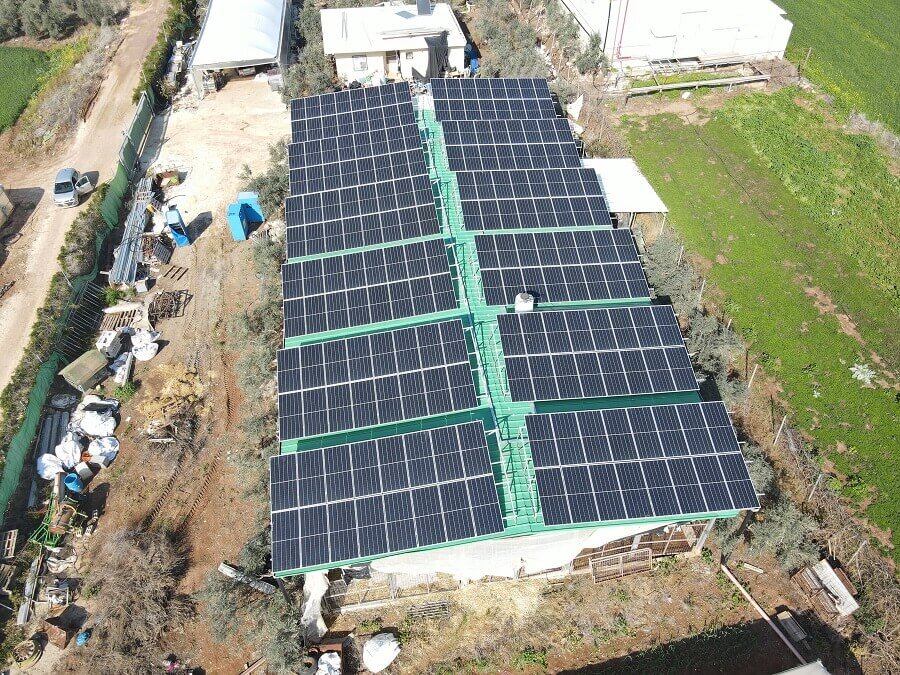
But not every roof is suitable, and not every calculation is reliable
The common mistake is a naive calculation: “I have 2,000 sqm of roof, so it must be worthwhile.” In practice the financial case for a commercial system depends on parameters you cannot guess at: orientation, pitch and shading, infrastructure and connection constraints, the shape of the business’s electricity consumption (when do you use it?) and more.
That is exactly why measurement tools exist. Our company, Rotem Energy, which specialises in building solar systems of every kind, has built an advanced solar calculator that takes in all the parameters needed for an accurate estimate: shading, roof type, roof size, the city the property is in, whether the system is industrial or residential and more. The result gives a genuine indication of cost, payback, kilowatts generated, income to the system owner and more.
Click through to our solar calculator
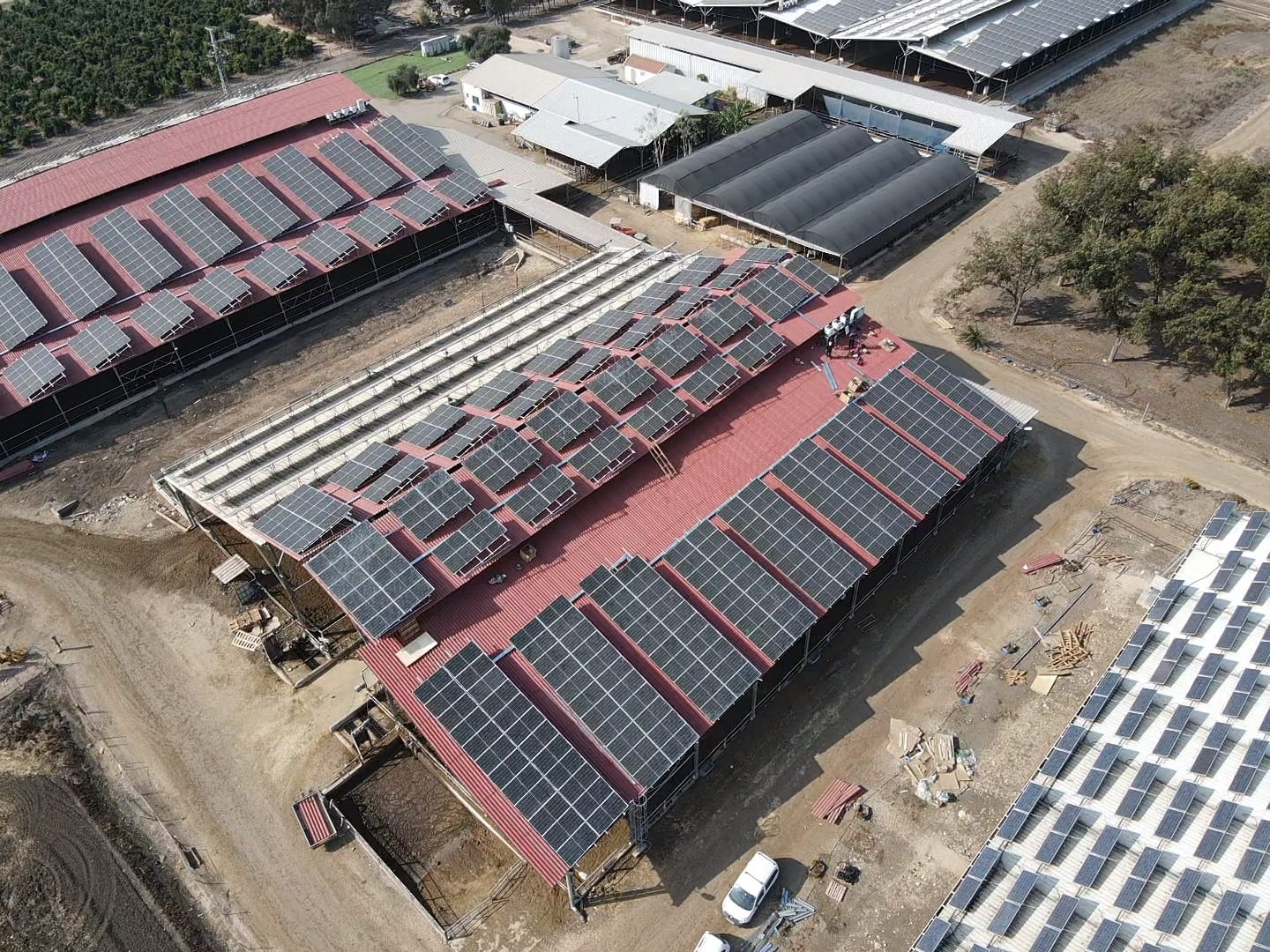
Where does the urban premium fit in for businesses?
A business in an urban area may also benefit from arrangements such as the urban premium, which is designed to encourage generation facilities (and sometimes storage) in particular urban localities. Importantly, it all depends on the eligibility definitions and classifications set by the Electricity Authority.
So any serious analysis has to check two things: is the business in a locality or area that meets the conditions, and does the planned system fit the relevant arrangement?
In summary,
In 2026 a solar system for a business is not only an excellent environmental decision; it can be a strategic one that ties into energy stability, measurement and ESG in practice. With the 2030 target in the background and arrangements such as the urban premium in place, businesses that do not assess their potential risk missing a clear competitive advantage.

Do not wait – call us on *8426 or leave your details
We would be glad to help!