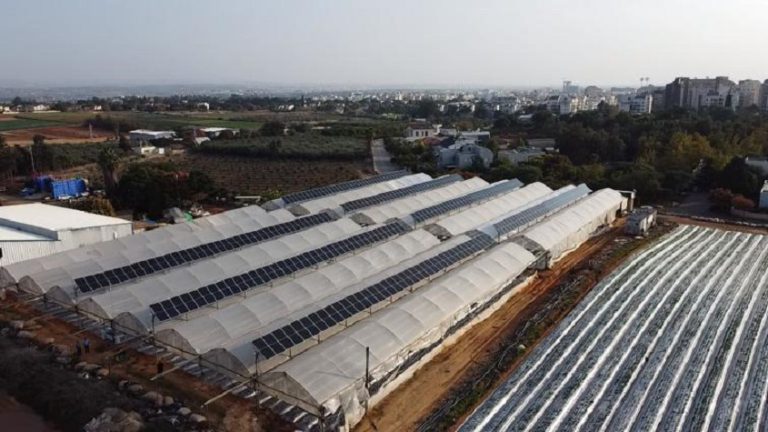
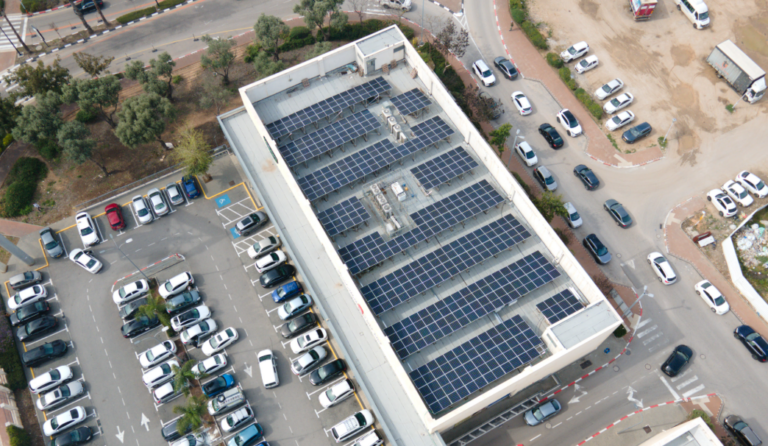
Solar technology has moved quickly in recent years, and one of the most interesting developments is the bifacial solar panel. Traditional panels generate electricity from one face only; these produce energy from both – the top and the back.
That means better use of sunlight and of the light reflected from the surroundings. Designed properly, a system can produce more electricity from the same roof area, generate more clean energy, and in many cases improve the financial case as well.
What is a bifacial solar panel?
Bifacial solar panels are photovoltaic modules whose silicon cells can absorb sunlight from both sides of the panel.
In an ordinary home solar system or commercial system, only the front of the panel takes part in generating electricity. Light reaching the back of the panel goes almost entirely unused. In a bifacial panel the back is active too and can absorb light reflected from the surroundings.
That light can come from the ground, from the roof of the building, from concrete surfaces or from any surface that reflects sunlight. When the reflected light hits the back of the panel it produces additional electricity, on top of what the direct radiation generates.
In other words, it makes more efficient use of the same sunlight without any increase in the installation area.
What is albedo, and why does it matter for solar systems?
When bifacial panels come up, so does another important idea from physics and solar energy: albedo.
Albedo is a measure of how well a surface reflects light. Dark surfaces absorb most of the radiation that hits them, while light surfaces send a large share of it back into the surroundings.
A dark roof or asphalt, for example, absorbs most of the sunlight and reflects almost none of it. A white or light-coloured surface, by contrast, reflects a significant share upwards.
When bifacial panels are installed above a surface with high reflectivity, the reflected light hits the back of the panel and produces additional electricity. The albedo of the surroundings therefore becomes an important factor in designing a system of this kind.
Why paint the roof white before installing bifacial panels?
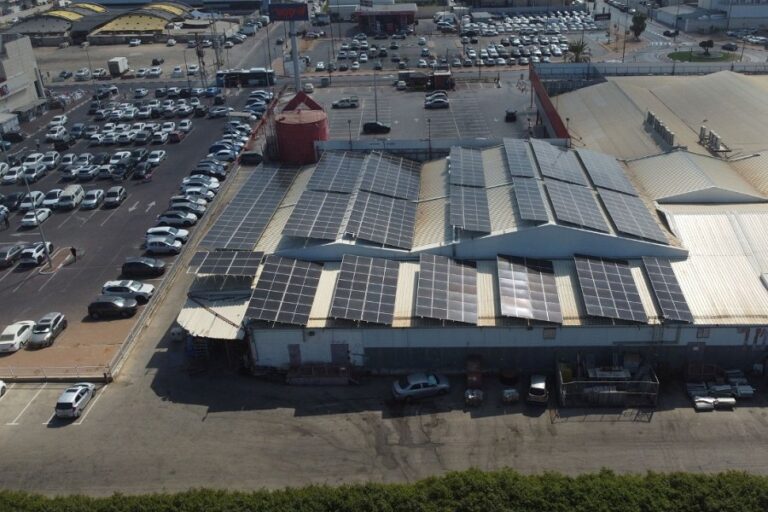
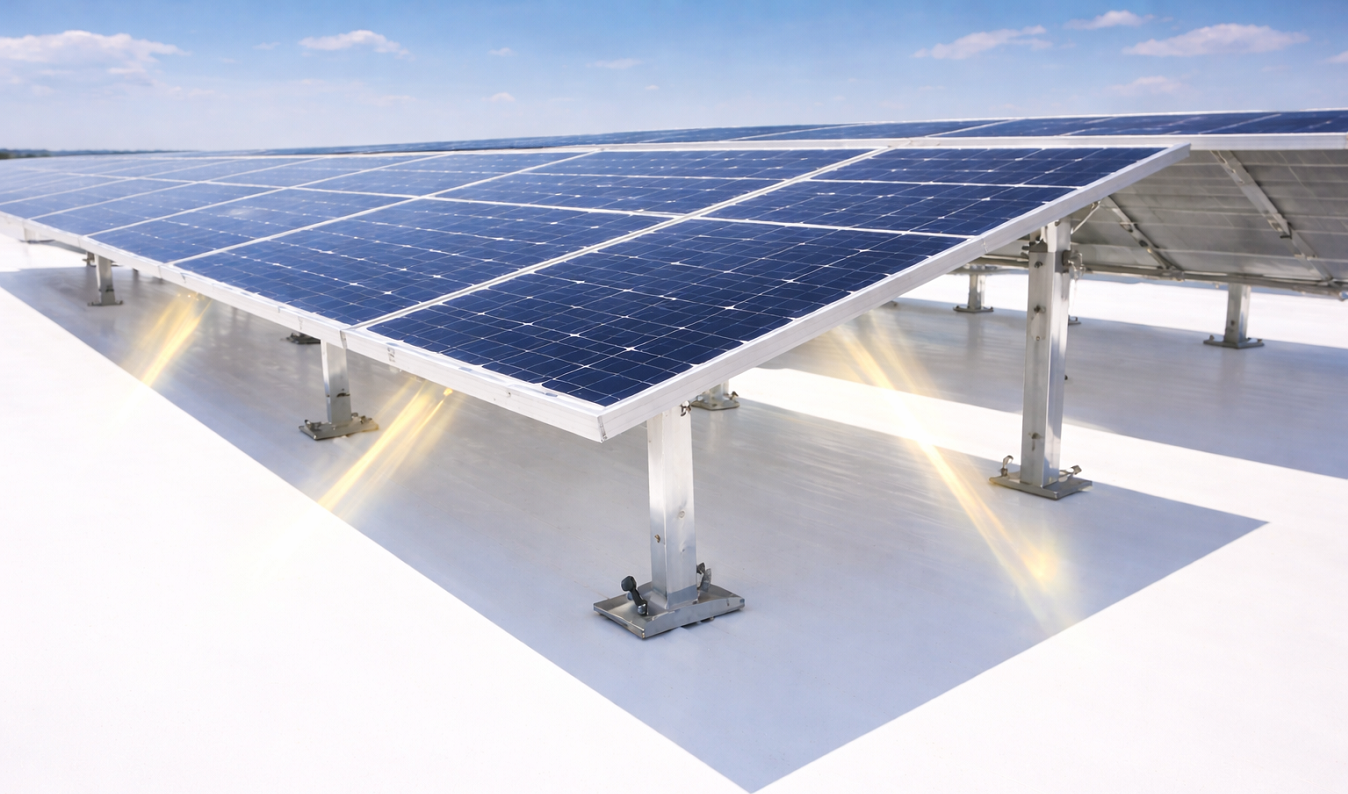
One of the simplest ways to improve the reflection effect is to paint the roof a light colour, usually white. A light colour reflects a large share of the sunlight, and that reflected light reaches the back of the panels.
When the panels are mounted at a certain height above the roof, the reflected radiation can be absorbed by the back of the module and increase generation.
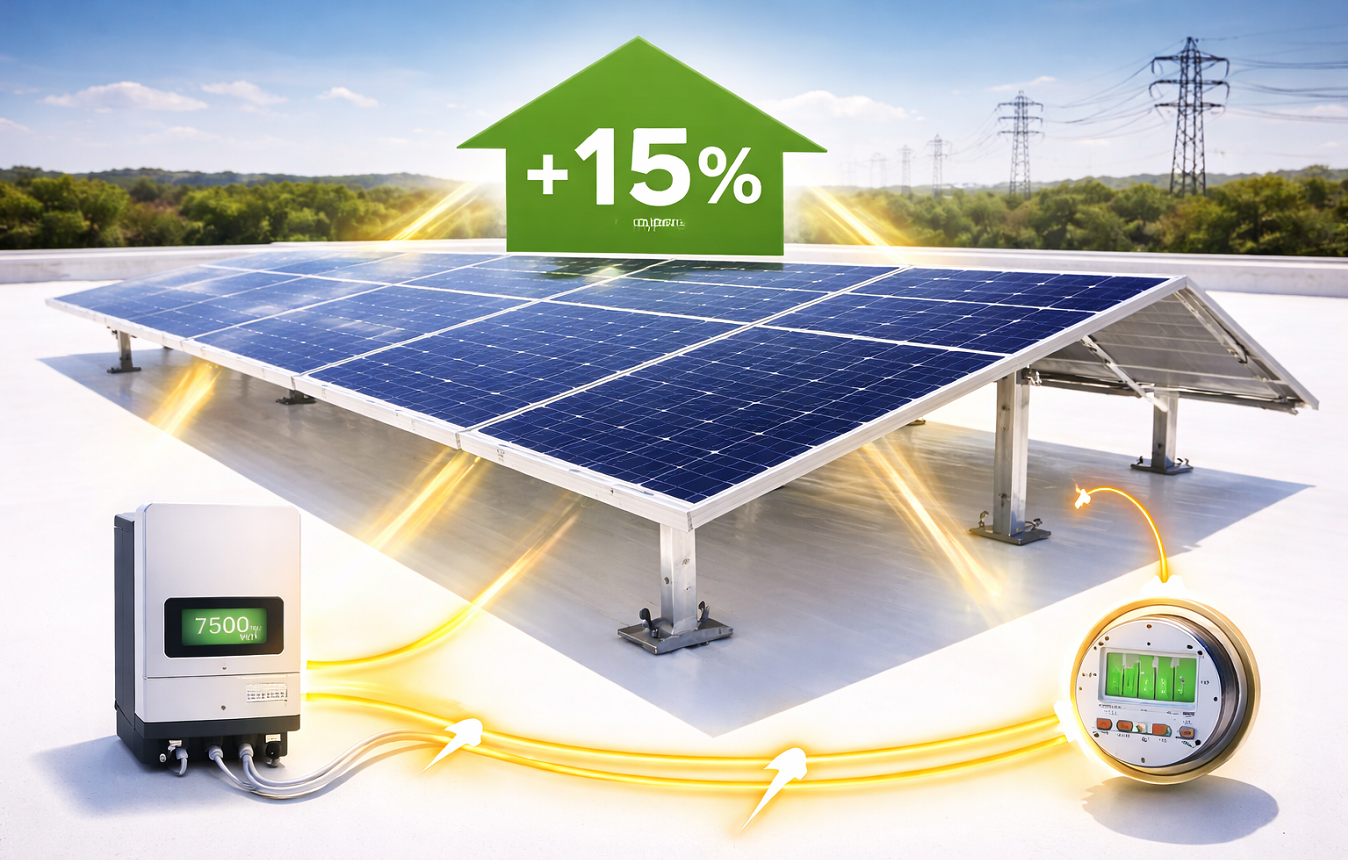
In well-designed systems this can mean an improvement of roughly 10% to 15% over ordinary systems with single-sided panels. In some cases, with particularly favourable installation conditions, the improvement can be greater still.
What does designing a bifacial system look like?
Installing a system with bifacial panels calls for a slightly different design from an ordinary solar system. One important parameter is the distance between the panels and the surface beneath them, since light has to be able to reach the back of the panel.
Choosing the right mounting structure, the right tilt angle and a position that allows good exposure to both direct and reflected light all matter too.
Together, these factors let the system make better use of the available radiation and improve output over time.
More output from the same roof area
In Israel, where roof space is often limited, every improvement in output matters. When more electricity can be generated from the same installation area, the system becomes more efficient financially.
An extra ten to fifteen per cent of output adds up over the years to a significant amount of additional energy. That means more electricity used on site, more surplus sold to the grid, and a better return on the investment.
Good design is the key
Bifacial panels are not the right answer for every roof or every system. To get the full benefit from them, the design has to take account of the mounting height, the tilt of the panels, the colour of the surface beneath them and the level of shading in the area.
Designed properly, the technology delivers more electricity from the same roof area. The idea is simple in the end: produce more energy from the same property. More generation means more electricity, more sold to the grid and more profitability over time.

Do not wait – call us on *8426 or leave your details
We would be glad to help!
You may also be interested in: home solar systems | commercial solar systems | solar systems on farmland