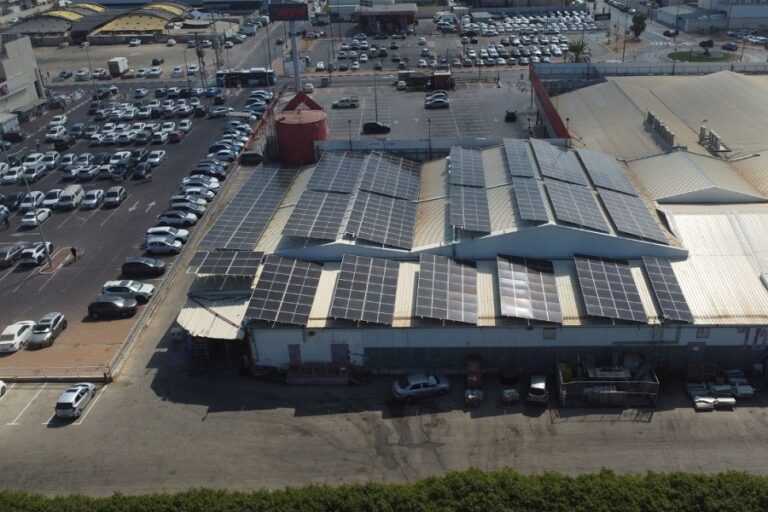
If you own an agricultural greenhouse or a plot A, you have almost certainly heard about the option of building a solar system on it. In recent years more and more farmers have been looking at combining farming with energy generation, but before making a decision it is worth understanding how it really works, what it means in engineering and regulatory terms, and whether it suits your particular site.
A solar system on a greenhouse roof is not simply a matter of “laying panels and generating electricity”. This is a full engineering project that brings together structural, electrical and agricultural design. Done properly, it delivers genuine dual use of the land: farming carries on underneath the system while clean electricity is generated for years.
Why consider a solar system on a greenhouse at all?
Farming is exposed to plenty of volatility: produce prices, the cost of water, energy, labour and other inputs. A solar system can give farmers a measure of stability, through an additional income and lower electricity costs.
Beyond the financial side there is a clear national trend towards expanding renewable generation in Israel, with a target of 30% of electricity from renewables by 2030. That means regulation is moving forward and now allows solutions that did not exist before, including significant easements for building in plot A and the option of dual use on greenhouses.
That said, not every greenhouse is suitable, and not every site will produce the same result.
How does a solar system on a greenhouse actually work?
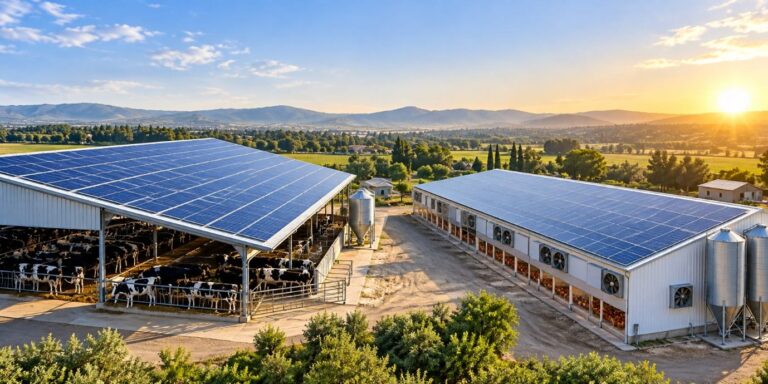
The system is based on solar panels installed on a dedicated structure above the greenhouse, or as part of the greenhouse structure itself. The panels capture sunlight and generate direct current, which an inverter converts into alternating current for use.
The electricity produced can serve the greenhouse’s own consumption – irrigation, cooling, control systems and more – and in certain cases, depending on the relevant arrangement, the surplus can be fed into the grid.
One of the important aspects of the design is the balance between generating energy and maintaining growing conditions. Excessive shading can affect certain crops, so the layout has to take the agricultural needs into account and not only the electrical capacity.
The suitability survey: a stage not to skip
Before going ahead, several central aspects need a professional assessment.
First, the strength of the greenhouse frame. Many greenhouses were not designed to carry additional loads, so it is important that a certified structural engineer checks the structure’s load-bearing capacity, including wind loads. This is a critical check that ensures long-term safety.
Second, the condition of the greenhouse itself: the age of the structure, the quality of the connections, the state of the framework and general maintenance. A solar system is designed to work for decades, so the base has to be sound and stable.
On top of that, the electrical side needs assessing: the existing distribution board, earthing, possible positions for the inverters and cable routes.
Only with the full picture is it possible to tell whether the project is suitable and what capacity can realistically be built on the site.

And what about plot A?
Recent years have brought regulatory easements allowing a photovoltaic system to be built on an area of up to one dunam in plot A, subject to certain conditions and to Israel Land Authority approval. The aim is to encourage renewable generation while preserving the agricultural character of the land.
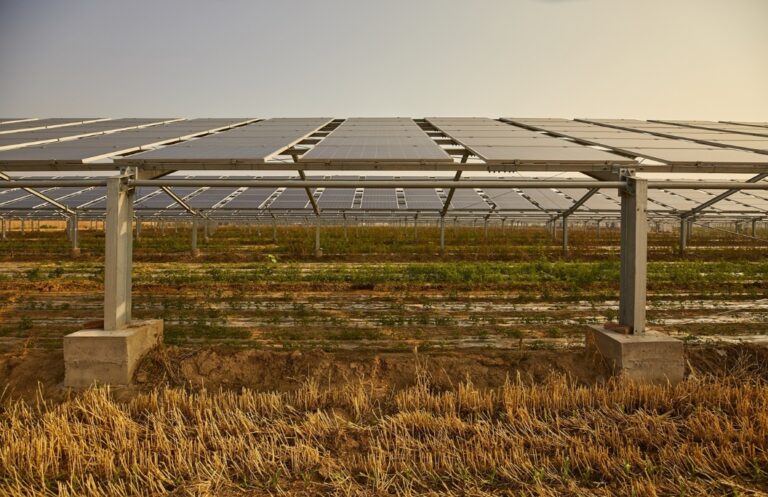
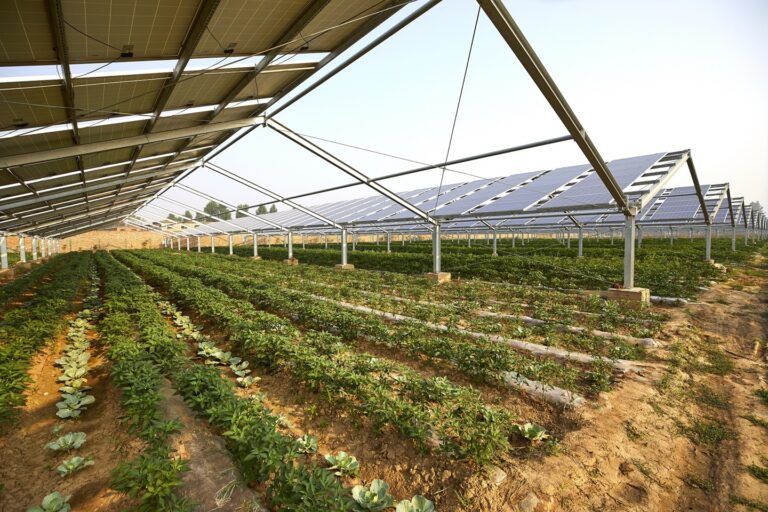
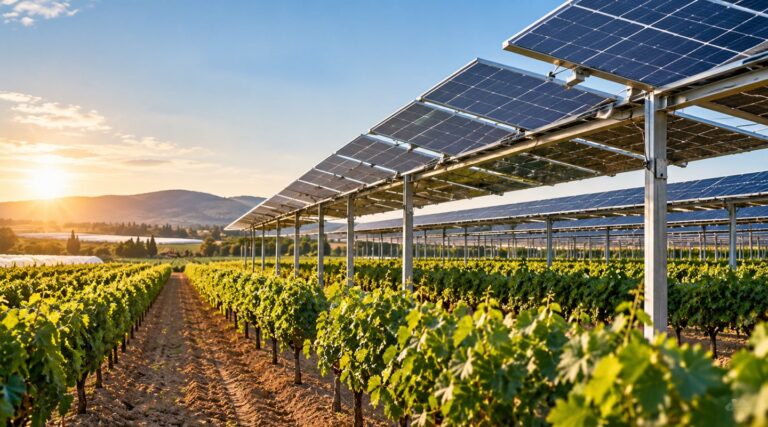
The system can be installed as a raised structure, so the land beneath it can carry on being farmed. This is the principle of dual use: combining farming with energy generation.
It is important to make sure the farmstead is regularized, that there are no building violations, and that the position of the system meets the relevant conditions.
How much can a dunam of land produce?
Depending on the characteristics of the land and the type of system (fixed or sun-tracking), a significant capacity can be built on a dunam. The precise figure depends on the layout, row spacing, installation angles and site conditions.
The financial case varies from project to project, so an individual assessment matters more than general figures.
Does it suit every farmer?
Not necessarily. There are cases where:
- the greenhouse frame cannot take the loads
- the site is not regularized
- shading or topography are limiting
- significant adaptations are needed that do not make financial sense
The decision should therefore rest on a genuine professional survey rather than general promises.
A solar system on a greenhouse roof or in plot A can be a sound, well-judged move – but only when it is designed and built professionally, with a real assessment of the site conditions and the agricultural needs.

Rotem Energy guides farmers across the country through the survey, design and construction, handling the engineering and regulatory sides in full, so that you can focus on the farming while the system is designed and managed professionally.
Do not wait – call us on *8426 or leave your details
We would be glad to help!
Frequently asked questions | installing solar systems
Is every greenhouse suitable for a solar system?
Not necessarily. Suitability depends on several factors, chiefly the strength of the greenhouse frame, its condition and its age. Some greenhouses need structural reinforcement before installation, and in other cases the structure may not be suitable at all. That is why a preliminary engineering survey by a professional, including a certified structural engineer, is essential.
Does installing solar panels on a greenhouse harm the crops?
When the design is done properly, suitable light conditions can be maintained for the crops. The panel layout has to take account of the type of crop, the seasons and the angles of the sun. Uncontrolled shading can affect growing conditions, so the design has to be precise rather than standard.
What is the difference between a system on a greenhouse and a system in plot A?
A system on a greenhouse is installed on an existing structure and combines growing crops with generating electricity.
A system in plot A is built on the land itself (sometimes as a raised structure), in line with the regulatory easements and Israel Land Authority approvals, and can be built on an area of up to one dunam subject to conditions. Both are dual-use, but the nature of the installation and the approvals differ.
How much electricity can a dunam of land produce?
Capacity varies with the conditions on site, the type of system, the installation angles and the spacing between rows. Broadly, a significant capacity can be built on a dunam, but the precise figures are only established after a professional survey and individual design.
Can farming continue beneath the system?
Yes, and in many cases that is a central part of the design. Some systems are built as raised structures so that crops can carry on growing, equipment can pass underneath and the space can be used in other ways. The design has to take the operational needs of the farm into account.
How long does the build take?
The length of the project depends on the size of the system and how complex the approvals are. The installation itself can take from a few days to a few weeks, but design, surveys and approvals may add time. It is worth understanding that this is an engineering project requiring coordination between several parties.
Is bureaucracy with the Israel Land Authority and the electric company involved?
Yes. Building a solar system involves approvals and coordination with the Israel Land Authority (in the case of plot A), the electric company and other bodies depending on the project. An experienced company should manage the entire process for you and make sure every regulatory and safety requirement is met.
Is this a short-term or a long-term investment?
A solar system is designed to operate for many years. It is a long-term move intended to create energy and financial stability, not a short-lived solution. The financial case varies from project to project and depends on the site data and the relevant arrangement.
You may also be interested in: home solar systems | commercial solar systems | solar systems on farmland